In the cable industry, PVC cable compounds are an unavoidable topic when discussing cable materials. Although many purchasing personnel, engineers, and even those new to the industry still understand PVC as simply “a type of plastic,” there’s no doubt that PVC is one of the most widely used cable materials today.
This article’s topics:
What are the raw materials for PVC cable compound?
Besides plastic, what other forms does PVC material take?
Why is PVC so important in cable production and still widely used today?
This article will guide you through a systematic understanding of the composition, working principles, and core value of PVC cable compound in cables, using a more accessible and practical approach. Whether you are a materials procurement professional, a cable designer, or simply want to truly understand “what materials are used inside cables,” this article will help you build a clear understanding.
What is PVC Cable Material? It’s not just “PLASTIC”.
PVC, short for polyvinyl chloride, is a synthetic polymer material widely used in industrial fields.
However, it’s important to clarify that cables do not use “pure PVC resin.”
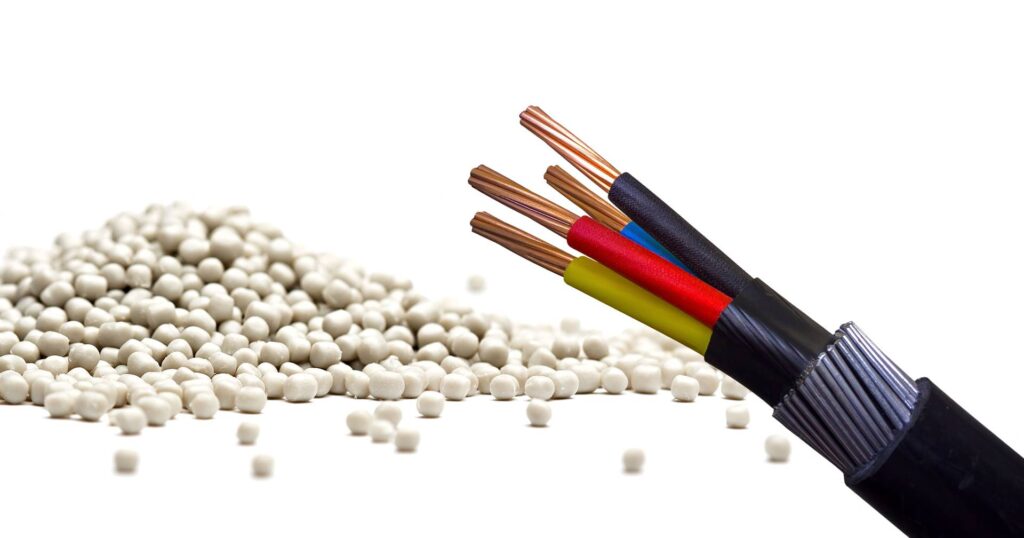
Pure PVC resin is inherently hard and brittle, making it unsuitable for direct use in cables.
Therefore, the cable industry uses PVC cable material.
PVC cable compound is a formulated composite material. It is made by adding various functional additives to PVC resin through scientific proportioning and mixing.
It can be understood that:
PVC cable material is not a single raw material, but a “material system.”
What are the raw materials for PVC cable compound?
To truly understand PVC cable materials, the key is to understand what raw materials they are composed of. Although the formulation may vary depending on the application and standard, most PVC cable materials are composed of the following core raw materials.
PVC Resin – The Foundation
PVC resin is the core and most fundamental raw material in PVC cable materials.
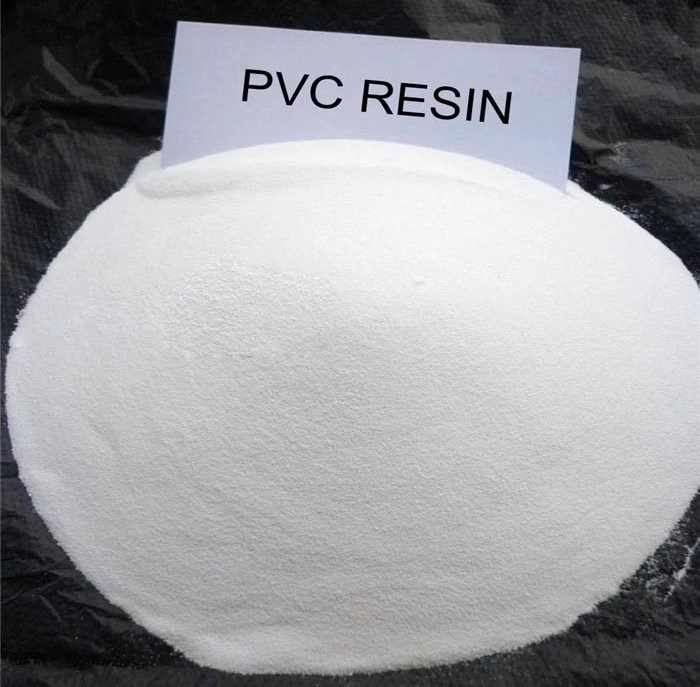
It is polymerized from vinyl chloride monomer and usually exists in powder form. It determines the basic performance framework of the cable material, including:
Electrical insulation properties
Material strength and stability
Compatibility with additives
Extrusion processing properties
It can be used as an insulation layer or sheath layer. Depending on the application, different types and properties of PVC resin are selected for cable materials. It can be said that without PVC resin, there would be no PVC cable material.
Plasticizers – Determining Material Properties
Using only PVC resin would result in a very rigid material unsuitable for cable use. Therefore, plasticizers are an extremely important raw material in PVC cable materials.
The functions of plasticizers are:
Improving the material’s flexibility and bending properties
Improving low-temperature performance
Enhancing durability during use
Common plasticizers include traditional plasticizers and phthalate-free plasticizers used in markets with higher environmental requirements.
The type and amount of plasticizer used directly determine whether the PVC cable material is “soft” or “rigid,” which explains the significant differences in feel and performance between different PVC cables.
Stabilizers – Protecting PVC Cable Compound
PVC is easily decomposed under high temperatures, therefore stabilizers must be added to cable materials.
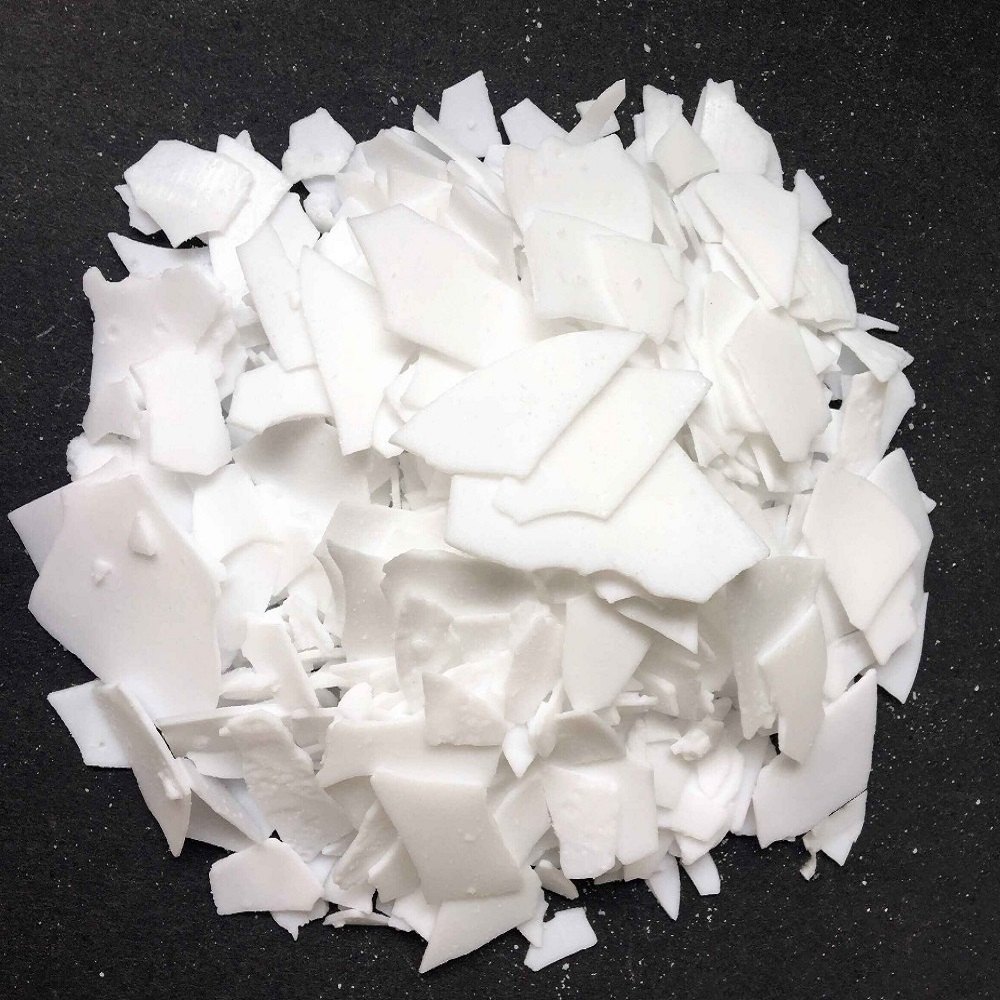
The main functions of stabilizers are:
Preventing material degradation during extrusion processing
Maintaining color and performance stability
Extending cable lifespan
Currently, many PVC cable materials use calcium-zinc stabilizer systems to meet environmental regulations and long-term stability requirements.
Fillers – The Balance Point
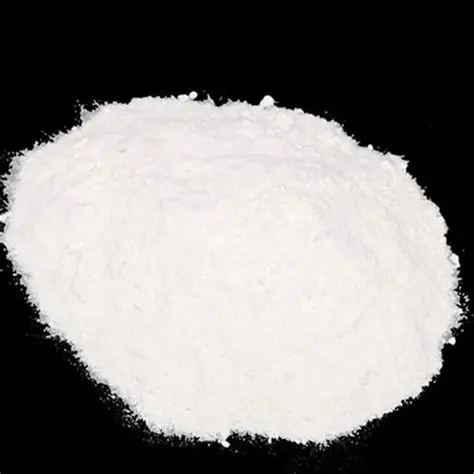
Fillers in PVC cable compounds are not just for cost reduction.
Fillers, such as calcium carbonate, offer the following advantages:
Improved mechanical strength
Improved dimensional stability
Optimized material processing performance
In sheathing compounds, the proper use of fillers can also improve abrasion resistance and surface quality. Of course, the filler ratio must be strictly controlled; excessive amounts will affect electrical performance.
Flame Retardant Additives – Fire Safety of Cables
PVC naturally contains chlorine, which possesses certain flame-retardant properties, a key reason for its widespread use in cables.
However, for higher fire resistance requirements, additional flame-retardant additives are added to PVC cable materials to meet:
IEC flame retardant testing
UL flame retardant rating
Building and industrial fire codes
This makes PVC cables particularly stable and reliable in indoor wiring, control cables, and other applications.
Lubricants and Processing Aids – Behind-the-Scenes Roles
To ensure the stability and surface quality of PVC cable materials during the extrusion process, small amounts of:
Internal and external lubricants
Processing aids
These reduce friction, improve flowability, and prevent material from sticking to the mold, making them crucial for achieving continuous, high-quality production.
Why is PVC cable material so important in cable production?
Having understood the raw material composition of PVC cable materials, the next more practical question is: Why does the cable industry still use PVC extensively?
The reason is not complicated; it stems from its comprehensive advantages in performance, cost, and processing.
Stable & Reliable Electrical Insulation Performance
The primary function of cables is safe power transmission.
PVC cable materials possess:
High volume resistivity
Stable dielectric properties
Reliable performance in low-voltage and medium-low-voltage applications
Therefore, they are widely used in building wiring, control cables, and various low-voltage cables.
A Good Balance Between Flexibility & Strength
By adjusting the formulation, PVC cable materials can be designed for:
Highly flexible soft cables
Fixed installation cables
Control and instrumentation cables
This allows the same base material to cover a very wide range of cable applications.
Naturally Flame-Retardant & Meeting Most Safety Requirements
Compared to many polyolefin materials, PVC’s flame-retardant advantage is very obvious.
In many applications, PVC cables do not require complex flame-retardant systems to meet basic fire protection requirements, which is one of the reasons why it has long held a mainstream position in the construction and industrial sectors.
Controllable Costs & suitable for Large-Scale Production.
From raw material prices to processing technology, PVC cable materials have a significant cost advantage.
For mass production, cable exports, and price-sensitive markets, PVC is a very cost-effective choice.
Mature Processing and Stable Supply Chain
The extrusion process for PVC cable materials is mature, with a wide production window and high production stability, which is very important for cable manufacturers.
At the same time, the global supply chain for PVC materials is very mature, and the availability of raw materials is relatively stable.
Different Applications of PVC in Cable Insulation & Sheathing
Although both are called PVC cable materials, the insulation and sheath materials differ in their formulations.
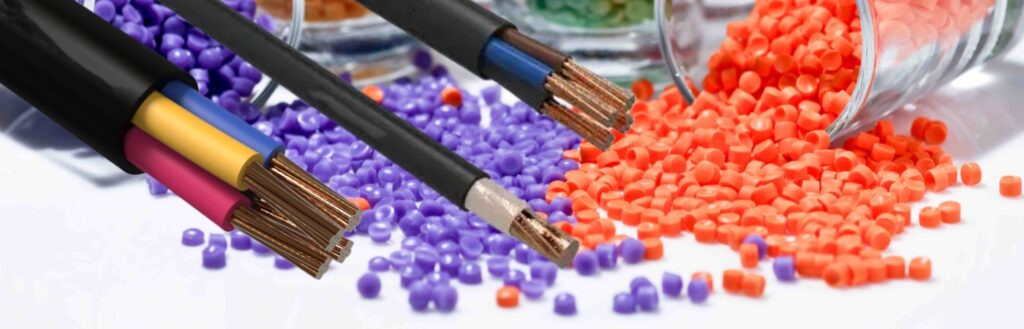
PVC Insulation Material: Emphasizes electrical performance, has higher requirements for impurities and stability, and is generally more flexible with better coverage.
PVC Sheath Material: Emphasizes mechanical protection; PVC needs to have advantages such as abrasion resistance and environmental resistance, so the filler ratio is usually higher.
Comparison of PVC Cable Materials With Other Materials
With the increasing use of materials like XLPE and LSZH, many people ask: Will PVC be replaced?
The answer is: It won’t be completely replaced; it will simply have a different role.
When the application requires: flame retardancy, cost control, and installation flexibility, PVC cable materials remain an ideal choice.
How does the quality of raw materials affect the performance of PVC cables?
The performance of PVC cable materials largely depends on the quality of raw materials and formulation control.
High-quality raw materials result in:
Better aging resistance
More stable flexibility
More reliable flame retardancy and electrical properties.
This is why professional cable material suppliers place great emphasis on raw material selection and formulation consistency.
PVC cable materials may seem traditional, but their value has never disappeared.
Through the scientific combination of raw materials such as PVC resin, plasticizers, stabilizers, and fillers, PVC cable materials can be customized into high-performance materials to meet the needs of different cables.
Understanding the raw materials and functions of PVC cable materials not only helps purchasing and engineering personnel make better choices but also helps cable manufacturers optimize their product structure.
As long as the cable industry continues to develop, PVC cable materials will continue to play an important role.
In the next article, we will introduce other applications of PVC, not just cables.