In today’s cable industry, performance, safety, and service life are no longer determined solely by cable design or manufacturing processes. Instead, materials have become the core factor defining cable quality and long-term reliability. As a result, more manufacturers, EPC contractors, and project owners are shifting their focus from finished cables to professional Cable Material Solutions.
This article provides an in-depth, material-oriented analysis of cable systems, explaining how different cable materials work together, how they should be selected for specific applications, and why integrated Cable & Wire Material Solutions are critical for modern electrical, industrial, and infrastructure projects.
What Are Cable Material Solutions?
Cable Material Solutions refer to a systematic approach to selecting, formulating, and applying materials used in cable construction, including:
- Conductor materials
- Insulation compounds
- Sheathing materials
- Flame-retardant and LSZH systems
- Filling, bedding, and screening materials
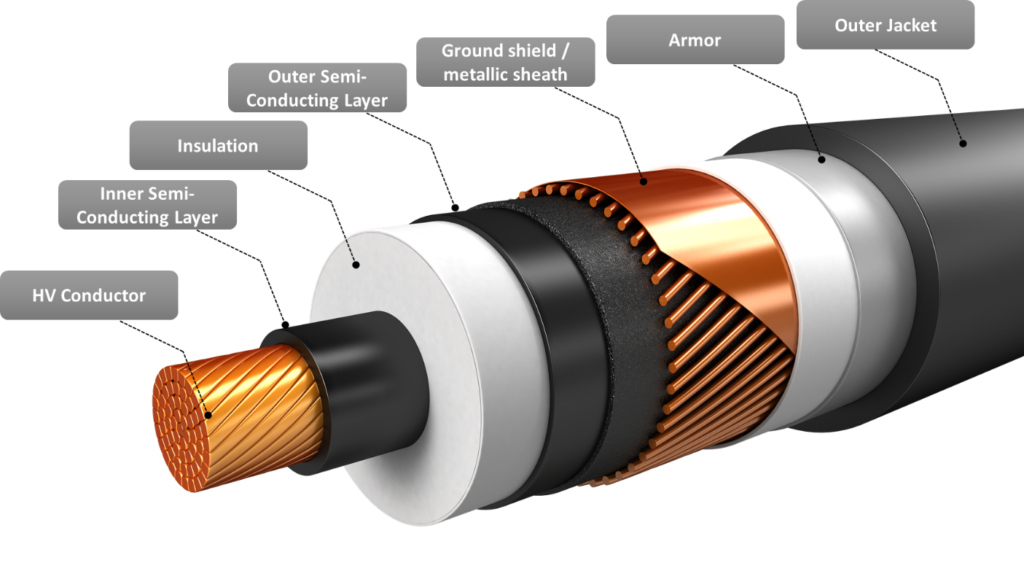
Unlike supplying a single raw material, Cable Material Solutions focus on how materials interact inside the cable structure and perform throughout the cable’s service life.
A well-designed material solution ensures that:
- Electrical performance remains stable over time
- Mechanical integrity is maintained under real operating conditions
- Safety and regulatory requirements are consistently met
- Manufacturing efficiency and product consistency are improved
Why Cable Performance Depends on Material Solutions, Not Just Design
Many cable failures originate not from structural errors, but from material mismatch or improper formulation. Even cables with identical designs can perform very differently due to variations in material systems.
Common problems caused by inadequate material solutions include:
- Premature insulation aging
- Cracking or embrittlement of sheaths
- Poor flame-retardant performance
- Inconsistent extrusion quality
- Reduced service life in harsh environments
Cable Material Solutions address these risks at the source, by optimizing material selection based on application conditions rather than relying on generic compounds.
Conductor Material Solutions: More Than Copper vs Aluminum
Although conductors are often viewed as standardized components, conductor materials play a fundamental role in electrical efficiency, thermal behavior, and mechanical stability.
Copper Conductor Material Solutions
Copper remains the most widely used conductor material due to its high conductivity and reliability. However, effective Cable Material Solutions go beyond copper purity alone.
Key considerations include:
- Electrolytic copper purity and oxygen content
- Mechanical processing and annealing control
- Surface condition and compatibility with insulation compounds
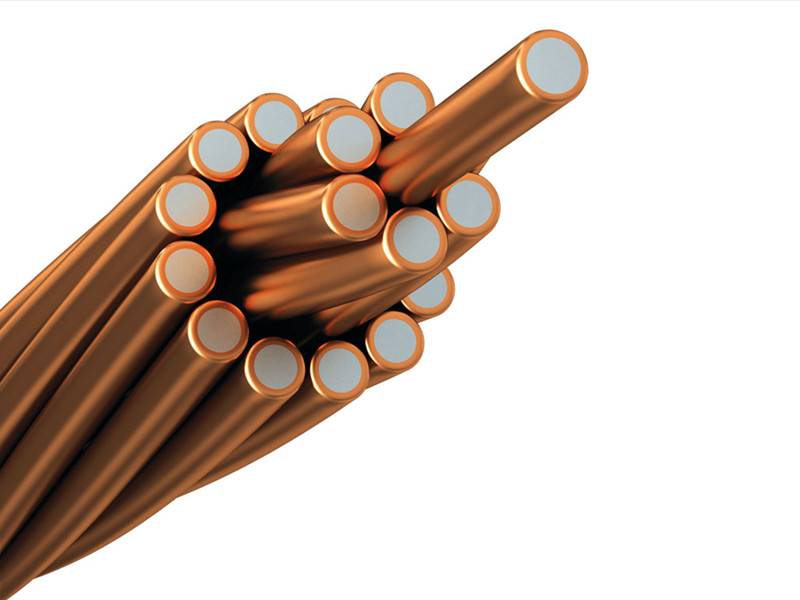
Optimized copper material solutions improve:
- Current-carrying capacity
- Resistance to fatigue in flexible cables
- Long-term interface stability between conductor and insulation
Typical applications include power cables, control cables, instrumentation cables, and building wiring.
Aluminum and Aluminum Alloy Solutions
Aluminum conductors offer significant weight and cost advantages, especially in medium- and high-voltage power transmission.
However, aluminum-based Cable Material Solutions must address challenges such as:
- Creep behavior under long-term load
- Oxidation at connection points
- Thermal expansion compatibility
Advanced aluminum alloy formulations and surface treatments help improve mechanical stability and electrical contact reliability, making aluminum solutions suitable for modern power networks and large-scale infrastructure projects.
Insulation Material Solutions: The Core of Cable Reliability
Insulation materials define a cable’s voltage rating, dielectric performance, and thermal endurance. In Cable Material Solutions, insulation systems require the highest level of engineering control.
PVC Insulation Material Solutions
PVC remains a widely used insulation material for low-voltage cables due to its cost efficiency and processing versatility.
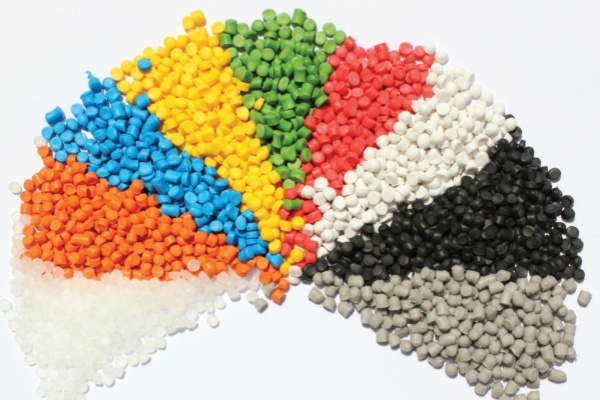
Professional PVC Cable Material Solutions focus on:
- Plasticizer systems for flexibility and low-temperature performance
- Thermal stabilizer systems for long-term heat resistance
- Flame-retardant formulations compliant with IEC and EN standards
Well-formulated PVC insulation compounds deliver consistent extrusion quality, stable dielectric properties, and predictable aging behavior.
XLPE Insulation Material Solutions
Cross-linked polyethylene (XLPE) is the preferred insulation material for medium- and high-voltage power cables.
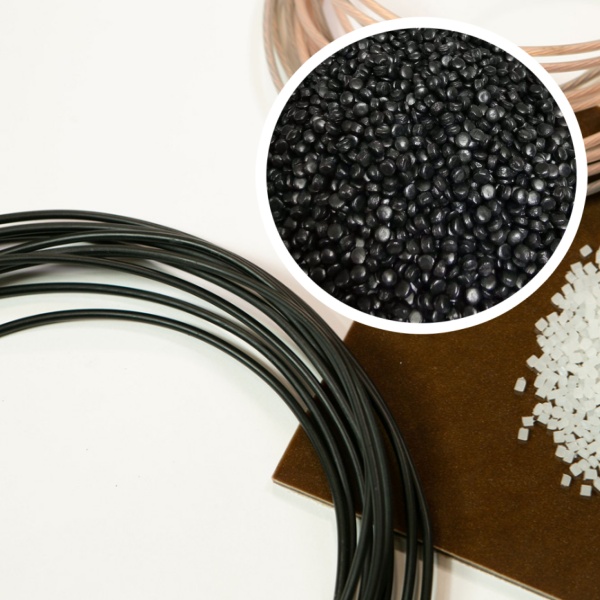
The effectiveness of XLPE Cable Material Solutions depends on precise control of:
- Base polymer purity
- Crosslinking agent selection and dosage
- Crosslinking process conditions
- Degassing and post-treatment procedures
Poorly designed XLPE material systems can lead to uneven crosslinking, reduced dielectric strength, and early insulation failure. Integrated XLPE material solutions ensure long-term electrical stability and thermal endurance.
Specialty Insulation Material Solutions
Certain applications require insulation materials with enhanced properties, such as:
- High-temperature resistance
- Extreme flexibility
- Chemical and oil resistance
Typical specialty insulation materials include:
- EPR (Ethylene Propylene Rubber)
- Silicone rubber
- Fluoropolymers such as FEP and PTFE
These Cable Material Solutions are often application-specific and tailored for demanding environments such as industrial automation, energy systems, and transportation.
Sheathing Material Solutions: Protecting Cables in Real Environments
While insulation ensures electrical safety, sheathing materials protect cables from mechanical damage and environmental exposure.
PVC Sheathing Material Solutions
PVC sheathing is commonly used for indoor and general-purpose cables.
Effective PVC sheath solutions emphasize:
- Resistance to aging and environmental stress cracking
- Adequate mechanical strength and flexibility
- Long-term compatibility with insulation layers
Optimized formulations improve surface finish, extrusion stability, and service life.
LSZH Sheathing Material Solutions
Low Smoke Zero Halogen (LSZH) materials have become essential in modern construction and public infrastructure projects.
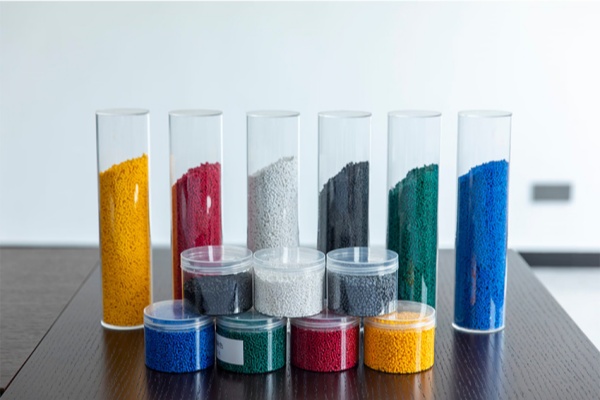
LSZH Cable Material Solutions must balance:
- Flame-retardant performance
- Smoke density reduction
- Mechanical strength
- Processability during extrusion
Advanced LSZH formulations enable cables to meet stringent fire safety standards while maintaining consistent manufacturing performance.
Polyethylene, TPU, and TPE Sheathing Solutions
For outdoor, mobile, or harsh environments, specialized sheathing materials are required:
- PE for moisture resistance and UV stability
- TPU for abrasion, oil, and chemical resistance
- TPE for flexibility and environmental compliance
Each material requires tailored Cable Material Solutions to match specific operating conditions.
Flame-Retardant and Fire-Safety Cable Material Solutions
Fire safety is a critical requirement in buildings, transportation systems, and industrial facilities.
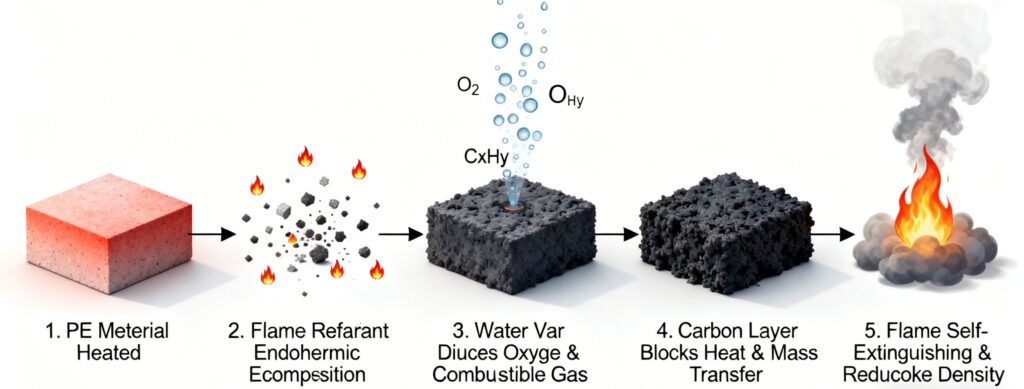
Professional Cable Material Solutions address fire performance through:
- Integrated flame-retardant systems
- Smoke suppression additives
- Halogen-free formulations
The goal is not only to pass laboratory tests but to ensure consistent fire performance in mass production.
Application-Driven Cable Material Solutions
Modern cable material engineering is increasingly application-oriented rather than material-oriented.
Power and Energy Sector
Material solutions prioritize:
- Thermal endurance
- Long service life
- Electrical stability
Industrial Automation
Key material requirements include:
- High flexibility
- Oil and chemical resistance
- Fatigue durability
Building and Infrastructure
Focus areas include:
- LSZH compliance
- Regulatory conformity
- Safety under fire conditions
Marine and Offshore Applications
These demand advanced Cable Material Solutions capable of withstanding:
- Moisture ingress
- Salt corrosion
- Mechanical stress
- Long-term submersion
Selecting a Reliable Cable Material Solutions Provider
Choosing the right material partner is essential for long-term success.
Key evaluation criteria include:
- Ability to provide system-level material solutions
- Technical understanding of cable structures and applications
- Custom formulation and testing support
- Stable quality control and batch consistency
- Experience with international standards and global markets
A professional Cable Material Solutions provider contributes not only materials, but also technical expertise and risk reduction.
Future Trends in Cable Material Solutions
The cable industry continues to evolve, driven by new technologies and sustainability goals.
Key trends include:
- Environmentally friendly and recyclable materials
- High-performance composite material systems
- Application-specific material engineering
- Increased focus on long-term reliability and lifecycle cost
Cable Material Solutions will continue to shift from commodity supply toward value-added engineering services.
Cable reliability begins long before manufacturing — it starts with material selection. Integrated Cable Material Solutions enable cable systems to achieve higher safety standards, longer service life, and better overall performance.
For material suppliers, investing in Cable Material Solutions means moving beyond raw material supply toward becoming a strategic partner in the cable industry’s value chain.
As global demand for safer, more efficient, and more durable cables continues to grow, professional Cable Material Solutions will play an increasingly critical role in shaping the future of cable technology.