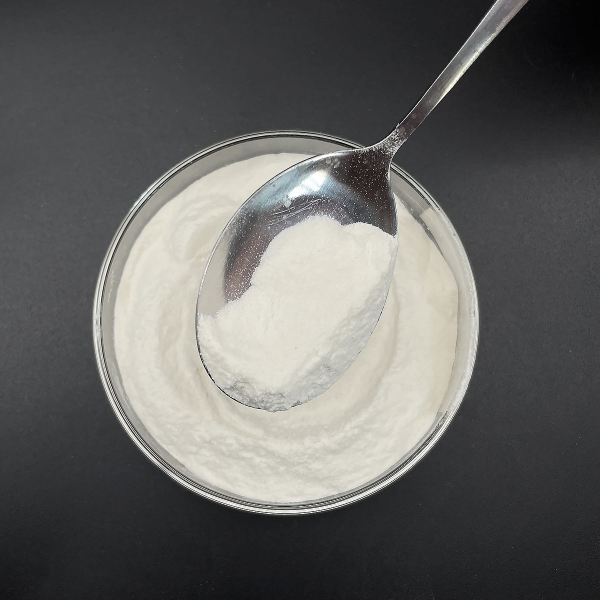
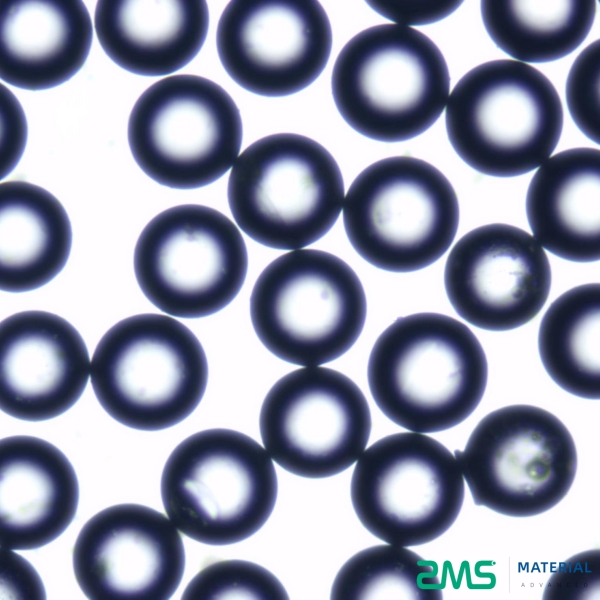
ZMS HGMS 0,12–0,20 g/cm³
Il est largement utilisé dans les revêtements, résines, matériaux composites, fluides de forage pour champs pétrolifères, mastic de matériaux de construction et autres domaines, avec une excellente isolation thermique, faible absorption d'huile, haute résistance à la compression, performance d'isolation thermique et stabilité dimensionnelle.
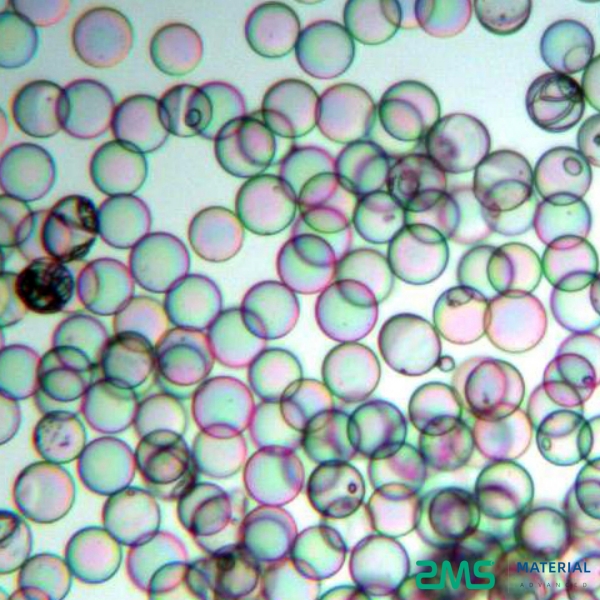
ZMS HGMS 0,55–0,70 g/cm³
Il est largement utilisé dans les revêtements, résines, matériaux composites, fluides de forage pour champs pétrolifères, mastic de matériaux de construction et autres domaines, avec une excellente isolation thermique, faible absorption d'huile, haute résistance à la compression, performance d'isolation thermique et stabilité dimensionnelle.

ZMS HGMS 0,40–0,55 g/cm³
Il est couramment utilisé dans les revêtements, résines, adhésifs, mastics, matériaux de construction, et matériaux composites pour réduire la densité du système, augmenter le contenu de remplissage, et améliorer la fluidité. Il offre également une excellente isolation thermique, faible absorption d'huile, haute résistance à la compression, et stabilité dimensionnelle.
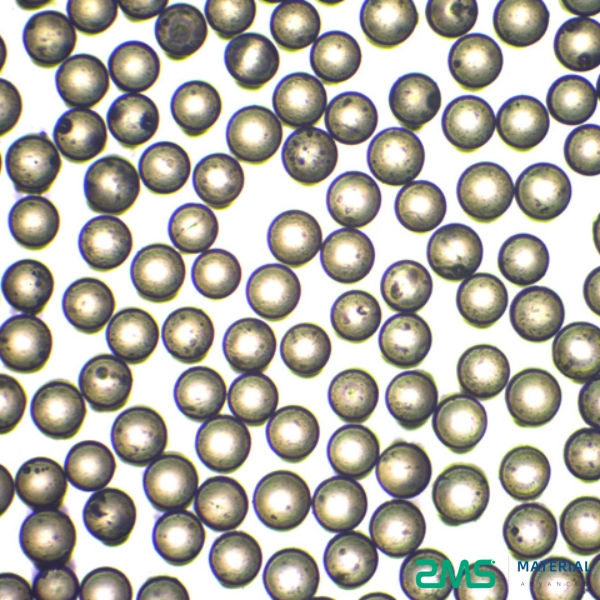
ZMS HGMS 0,20–0,40 g/cm³
La structure creuse ultralégère convient aux revêtements, résines, mastics, fluides de forage pour champs pétrolifères, matériaux d'isolation, et systèmes de matériaux composites légers. Cela peut réduire considérablement le poids du matériau, densité inférieure, et améliorer les performances de construction et de traitement. Il présente une faible conductivité thermique, faible absorption d'huile, bonne dispersibilité, et haute résistance à la compression.

ZMS HGMS 7.0-9.0 g/cm³
Les microsphères non magnétiques en acier inoxydable sont couramment utilisées dans les applications industrielles telles que le meulage de précision., médias de polissage, grenaillage, lits fluidisés, mesure de précision, et remplissage d'amortissement. Leur caractère amagnétique, dureté extrêmement élevée, résistance à la corrosion, et la stabilité dimensionnelle leur permettent de maintenir des performances stables et une longue durée de vie.
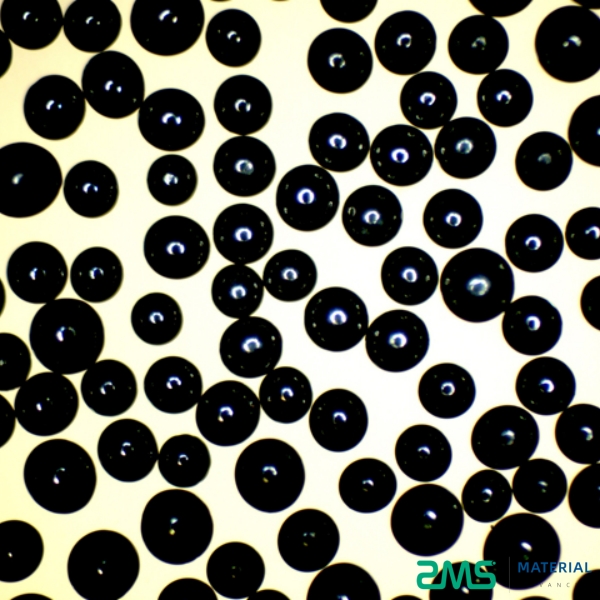
ZMS HGMS 9.0-13.0 g/cm³
Les billes en céramique de carbure de tungstène et en alliage métallique sont largement utilisées dans les applications industrielles exigeantes telles que le meulage de précision., médias de polissage, grenaillage, remplissage hautement résistant à l'usure, amortissement et absorption des vibrations, et classement par gravité. Ils conservent une forme et une résistance stables même sous des charges élevées, impact élevé, et conditions d'usure élevées, améliorant ainsi l'efficacité et la durée de vie.

ZMS HGMS 5.0-7.0 g/cm³
Les microsphères solides et creuses de zircone stabilisées à l'yttrium sont largement utilisées dans les milieux abrasifs à haute résistance., polissage des surfaces, charges résistantes à l'usure, matériaux de projection thermique, et applications de céramiques structurelles à haute température. Ils possèdent une dureté élevée, haute résistance à l'usure, et une excellente stabilité thermique et inertie chimique.

ZMS HGMS 3.5-4.9 g/cm³
Les microsphères de verre de titanate de baryum plaquées or sont principalement utilisées dans les pâtes conductrices, emballage microélectronique, blindage électromagnétique, et matériaux de capteurs hautes performances. Le placage or offre une excellente conductivité et résistance à l'oxydation, tandis que la matrice de titanate de baryum confère des propriétés diélectriques, ce qui en fait un remplisseur fonctionnel haut de gamme dans le domaine de l'électronique de précision.
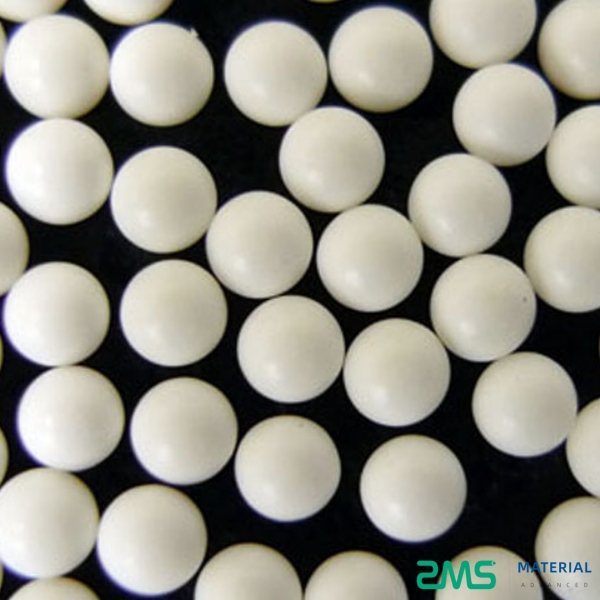
ZMS HGMS 1.6-1.9 g/cm³
Les microsphères de polymère blanches sont couramment utilisées dans les milieux de séparation, expériences en lit fluidisé, traçage visuel, matériaux filtrants, et systèmes d'emballage légers. Leur forme sphérique uniforme, caractère léger, et leur résistance à la corrosion chimique leur confèrent une excellente stabilité et répétabilité dans la simulation de fluides, démonstrations pédagogiques, et procédés industriels.
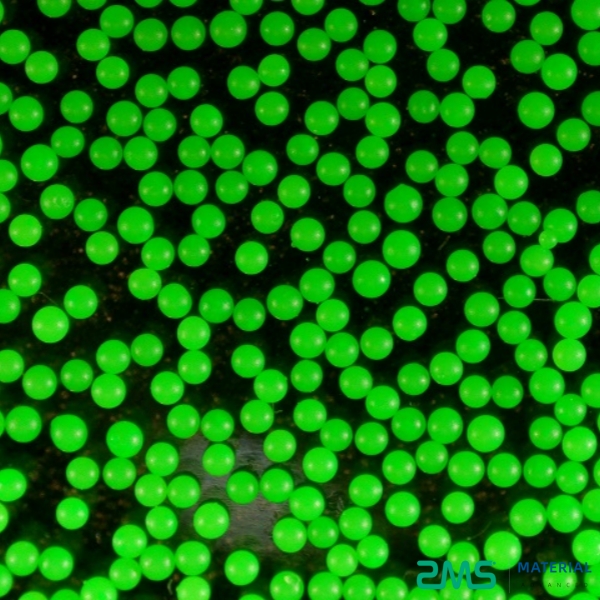
ZMS HGMS 1.01-1.1 g/cm³
Des microsphères de polyéthylène vert fluorescent sont utilisées pour des expériences sur les fluides visuels, traçage de particules, essais de filtration, étalonnage des particules, et surveillance environnementale. Leur brillante fluorescence, haute résistance chimique, et une bonne flottabilité leur permettent de présenter une reconnaissance et une stabilité extrêmement élevées dans la recherche sur le suivi optique et la dynamique des fluides..
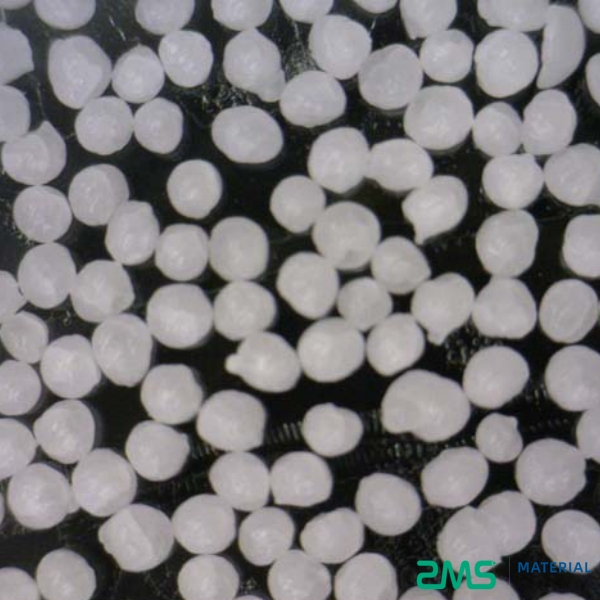
ZMS HGMS 0.96-0.99 g/cm³
Des granulés de polyéthylène transparents sont utilisés dans les médias filtrants, lits fluidisés, supports d'additifs, traceurs visuels, et matériaux de remplissage légers. Leur légèreté, transparence, résistance à l'abrasion, et une stabilité chimique élevée permettent une fluidité et une visualisation fiables dans les systèmes expérimentaux et les processus industriels.
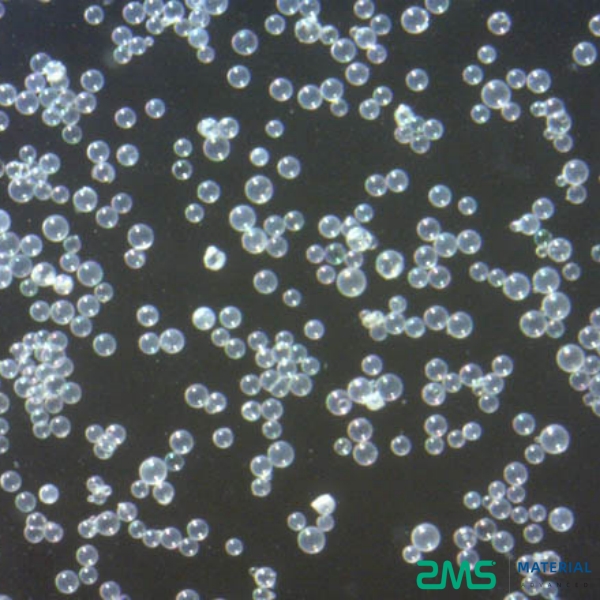
ZMS HGMS 0.21-0.26 g/cm³
Des microsphères de verre creuses photocatalytiques recouvertes de dioxyde de titane sont utilisées pour la purification de l'air, traitement de l'eau, dégradation photocatalytique, et des économies d'énergie performantes. Leur structure creuse se traduit par une densité ultra-faible et une surface spécifique élevée, tandis que le revêtement TiO₂ offre une forte activité photocatalytique, leur permettant d'éliminer les contaminants et d'être recyclés à plusieurs reprises.
◼ Matériaux de flottabilité solides

- Matériaux de flottabilité solides pour submersibles des grands fonds;
- Matériel de flottabilité et colonnes montantes pour plates-formes de forage pétrolier offshore et équipements miniers des fonds marins;
- Matériaux de flottabilité pour oléoducs; Matériaux de gaine de câbles optiques marins.
Avantages: La performance des matériaux de flottabilité dépend de la résistance, densité spécifique, et distribution granulométrique des microsphères creuses, obtenant ainsi un remplissage maximal et répondant aux exigences de toutes les applications liées à l'état de la mer. Résistant à la corrosion de l'eau de mer, haute résistance, et une flottabilité élevée, fournissant une flottabilité non motorisée pour les submersibles des grands fonds et les équipements offshore.
◼ Véhicule aérien sans pilote (drone) Matériaux de cellule
Réduisez le poids de la cellule pour libérer plus d'espace de masse pour augmenter le carburant et la charge utile, extension de la portée de vol et de l'endurance.
◼Sensibilisants et exhausteurs d'explosifs
Ajout 2% à 6% les microsphères de verre creuses ajoutées à la matrice des explosifs en émulsion peuvent améliorer leur sensibilité explosive et leur production d'énergie.
◼ Composants intérieurs en plastique pour avions, Train à grande vitesse, et automobiles

Au cours des dernières années, le taux de croissance annuel de l’utilisation des plastiques techniques dans le monde a dépassé 20%. L’allègement et les économies d’énergie/réduction des émissions sont devenus des stratégies mondiales de développement environnemental.
Actuellement, plusieurs plastiques modifiés légers ont été développés avec succès, dont PA6 pour les sièges de bus, PA66 pour capots moteur, PP pour panneaux de portes automobiles, et PP pour les tableaux de bord.
- Par exemple, le poids moyen des pièces en plastique dans les automobiles est d'environ 150 kilos. Si des matériaux composites à microsphères de verre creuses sont utilisés, le poids des pièces en plastique peut être réduit d'environ 20%, économie 0.18 litres de carburant par 100 kilomètres par véhicule, un taux d'économie de carburant dépassant 2%.
- Par exemple, les cabines des avions utilisent un grand nombre de pièces en plastique; l'utilisation de matériaux composites à microsphères de verre creuses pour les accoudoirs de siège à elle seule peut permettre d'économiser 1000 litres de carburant par avion et par an.
◼ Plaque de couverture de moteur automobile
Si un matériau de microsphères de verre creux PA6 GF30 GB7 est utilisé à la place du plastique PA6-MG30 ordinaire, le poids de la plaque de recouvrement du moteur peut être réduit d'environ 11%, et la stabilité dimensionnelle des pièces en plastique est améliorée, le retrait et la déformation sont réduits, Les performances NVH sont améliorées, le bruit est réduit, le temps de refroidissement du moulage par injection est raccourci d'environ 10%, l'efficacité est améliorée, et ainsi les coûts sont réduits.
◼ Accoudoir central/Console centrale
Si un micro-matériau creux PP GF5 GB5 est utilisé à la place du matériau ordinaire PP T20, l'accoudoir central ou la console centrale devrait réduire le poids d'environ 14%, et améliorer la stabilité dimensionnelle des pièces en plastique, réduire le retrait et la déformation, améliorer les performances NVH, réduire le bruit, raccourcir le temps de refroidissement du moulage par injection d'environ 10%, améliorer l'efficacité, et ainsi réduire les coûts.
◼ Plastiques techniques à faible diélectrique

• Dans les communications 5G, les ondes millimétriques sont principalement utilisées. Ces ondes ont des longueurs d'onde courtes, faibles capacités de diffraction, et atténuation importante lors de la propagation, réduisant considérablement la constante diélectrique des matériaux.
• Le creux unique, la structure à paroi mince de microsphères creuses améliore efficacement les propriétés diélectriques des matériaux 5G, augmenter la vitesse de transmission du signal et réduire le retard et la perte du signal.
• Couramment utilisé comme boîtiers et revêtement pour les stations de base et les systèmes d'antennes 5G., et comme matériaux de protection pour les terminaux intelligents.
◼ Stratifié cuivré (CCL) pour cartes de circuits imprimés
Le matériau CCL est composé de résine, fibre de verre, microsphères de verre creuses et feuille de cuivre. Les microsphères de verre creuses sont un matériau de base clé pour les PCB à faible diélectrique.
L'ajout de microsphères de verre creuses aux adhésifs peut améliorer leur fluidité, réduire la densité, contrôler efficacement l'épaisseur de la couche adhésive, réduire le retrait et les fissures, améliorer la résistance au vieillissement, et confèrent des propriétés telles que l'isolation thermique, isolation phonique, isolation électrique, et ignifuge.
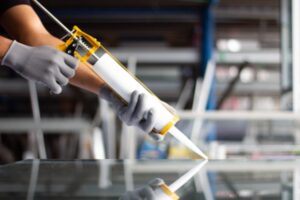
- Secteurs d'application: Militaire, aérospatial, train à grande vitesse, automobile, électronique, construction, protection de l'environnement, conditionnement, médical et santé, textile, etc..
- Types d'applications: À base de silicone, à base de résine époxy, à base d'acrylique, à base de polyuréthane, à base de caoutchouc synthétique, etc..
◼ Revêtements d'isolation thermique réfléchissants à économie d'énergie pour la construction

Dans certains pays ou régions avec des étés chauds et des hivers doux, la réduction de l'absorption de chaleur par les bâtiments grâce à des revêtements d'isolation thermique réfléchissants sur les murs extérieurs est devenue l'une des applications courantes.
◼ Matériaux d'isolation à économie d'énergie pour la construction
- Les microsphères creuses sont des matériaux inorganiques dont la structure creuse leur confère des propriétés d'isolation thermique, ce qui en fait d'excellents matériaux d'isolation des murs extérieurs.
- Ignifuge haute résistance, isolé thermiquement, et les panneaux intégrés décoratifs constitués de microsphères de verre et d'aérogel ont une conductivité thermique allant jusqu'à 0.03 Avec(m·K).
- Microsphère de verre + Les matériaux composites aérogel peuvent être directement appliqués sur les murs extérieurs et intérieurs par pulvérisation; ils offrent de courtes périodes de construction, résistance au feu, et d'excellentes performances globales d'isolation thermique.
◼ Revêtements industriels
Isolation industrielle: Isolation thermique et étanchéité pour oléoducs, réservoirs de stockage de pétrole, stations de base de communication, grands silos à grains, etc..
Protection contre la corrosion industrielle: Isolation thermique et protection contre la corrosion pour les navires, réservoirs industriels, et canalisations.
◼ Fluide de forage et coulis de ciment à faible gravité
- Ajustement de la densité du fluide de forage pour augmenter la fluidité du coulis de ciment
- Préparation du coulis de ciment à faible gravité, contrôler précisément sa densité, pression de formation d’équilibrage, et garantir l'efficacité et la sécurité du ciment
- Assurer un fonctionnement continu, réduction des cycles de fonctionnement, et améliorer l'efficacité du travail
◼ Couche d'isolation des pneus
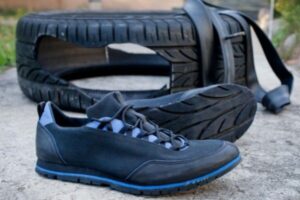
Les microsphères de verre creuses recouvertes de la couche intermédiaire en tissu du câble du pneu servent de couche isolante., isolant efficacement la chaleur interne et externe du pneu. Cela empêche la pression interne des pneus d'augmenter en raison de l'augmentation de la température., empêchant ainsi les explosions; il a été utilisé dans la lutte contre les incendies de forêt.
◼ Matériaux de chaussures légers
L'ajout de caoutchouc aux microsphères de verre creuses réduit considérablement la densité des matériaux des chaussures..
◼ Caoutchouc industriel
Charges pour les couches de caoutchouc des gaines de câbles et de fibres optiques, et charges pour diverses bagues d'étanchéité en caoutchouc.
◼ Matériaux élastomères pour l'ameublement
Remplisseurs pour oreillers en latex, matelas en latex, canapés, et autres articles d'ameublement et de literie, améliorer la texture du matériau, améliorer les propriétés de la mémoire, et accroître la résilience.
◼ Équipement sportif: Blocs d'escalade, boules de bowling, balles de golf, etc..

◼ Agent porogène pour roue abrasive en résine
◼ Substituts de bois
◼ Pierre artificielle