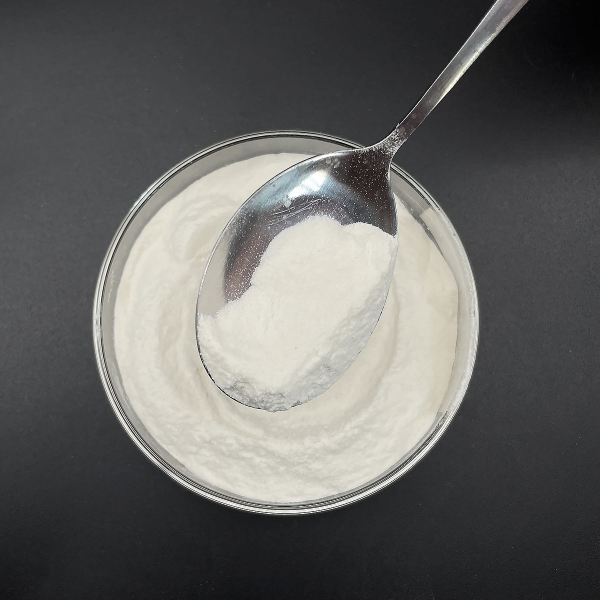
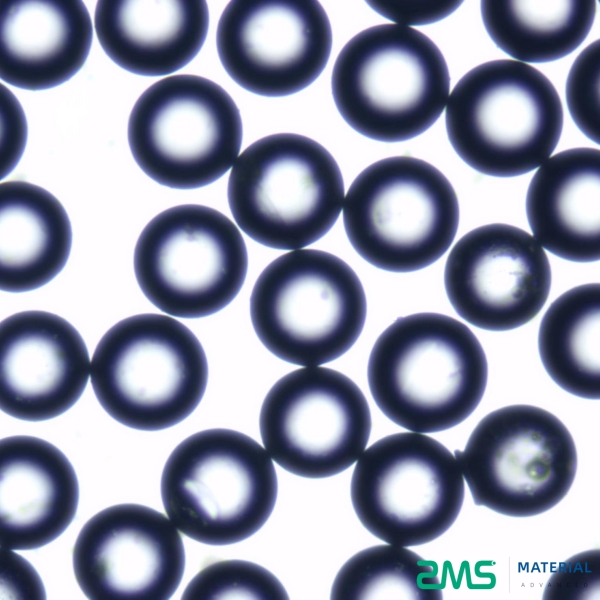
ZMS HGMS 0.12–0.20 g/cm³
It is widely used in coatings, resins, composite materials, oilfield drilling fluids, building material putty and other fields, with excellent heat insulation, low oil absorption, high compressive strength, thermal insulation performance and dimensional stability.
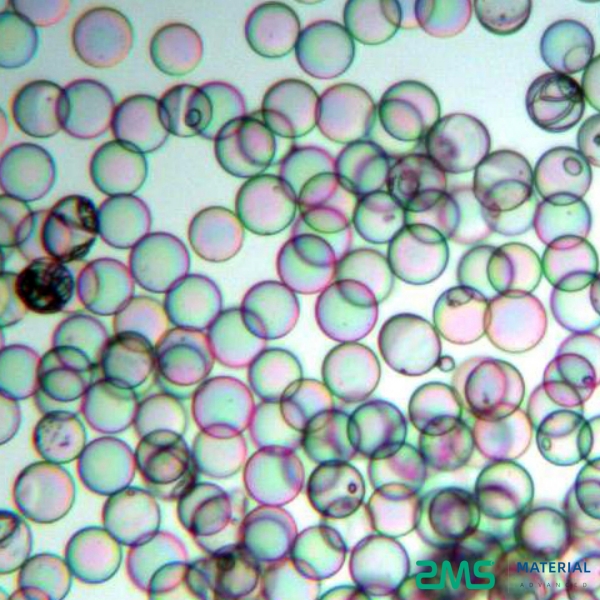
ZMS HGMS 0.55–0.70 g/cm³
It is widely used in coatings, resins, composite materials, oilfield drilling fluids, building material putty and other fields, with excellent heat insulation, low oil absorption, high compressive strength, thermal insulation performance and dimensional stability.

ZMS HGMS 0.40–0.55 g/cm³
It is commonly used in coatings, resins, adhesives, putties, building materials, and composite materials to reduce system density, increase filler content, and improve flowability. It also offers excellent thermal insulation, low oil absorption, high compressive strength, and dimensional stability.
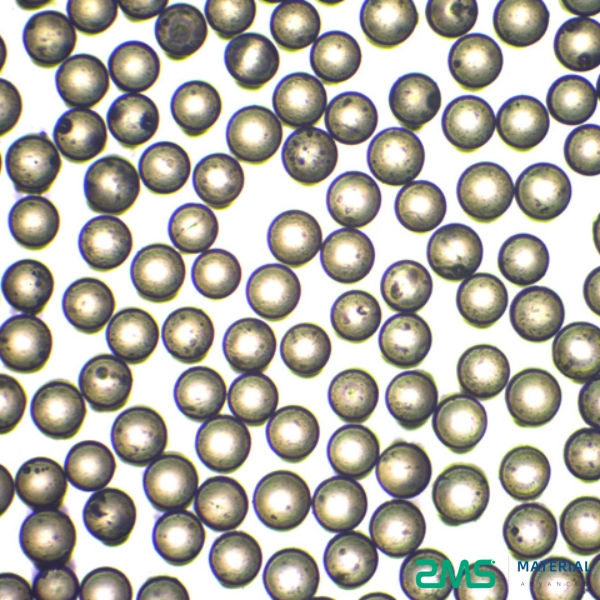
ZMS HGMS 0.20–0.40 g/cm³
The ultralight hollow structure is suitable for coatings, resins, putties, oilfield drilling fluids, insulation materials, and lightweight composite material systems. It can significantly reduce material weight, lower density, and improve construction and processing performance. It features low thermal conductivity, low oil absorption, good dispersibility, and high compressive strength.

ZMS HGMS 7.0-9.0 g/cm³
Non-magnetic stainless steel microspheres are commonly used in industrial applications such as precision grinding, polishing media, shot peening, fluidized beds, precision measurement, and damping filling. Their non-magnetic nature, extremely high hardness, corrosion resistance, and dimensional stability enable them to maintain stable performance and a long service life.
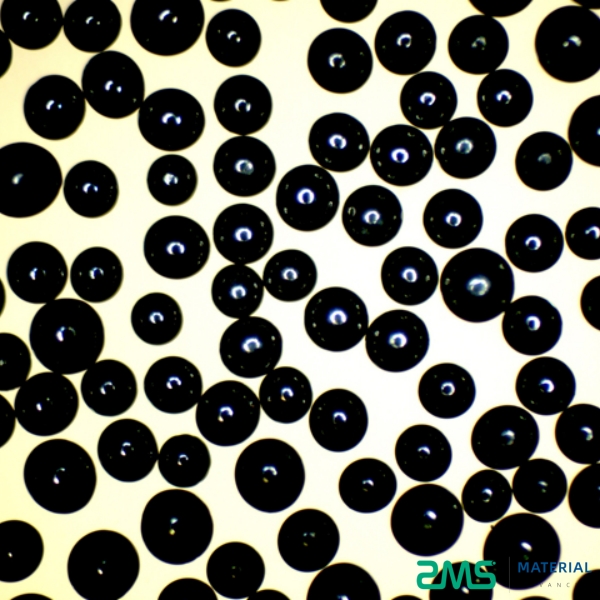
ZMS HGMS 9.0-13.0 g/cm³
Tungsten carbide ceramic and metal alloy balls are widely used in demanding industrial applications such as precision grinding, polishing media, shot peening, high wear-resistant filling, damping and vibration absorption, and gravity grading. They maintain stable shape and strength even under high load, high impact, and high wear conditions, thus improving efficiency and lifespan.

ZMS HGMS 5.0-7.0 g/cm³
Yttrium-stabilized zirconia solid and hollow microspheres are widely used in high-strength abrasive media, surface polishing, wear-resistant fillers, thermal spray materials, and high-temperature structural ceramics applications. They possess high hardness, high wear resistance, and excellent thermal stability and chemical inertness.

ZMS HGMS 3.5-4.9 g/cm³
Gold-plated barium titanate glass microspheres are mainly used in conductive pastes, microelectronic packaging, electromagnetic shielding, and high-performance sensor materials. The gold plating provides excellent conductivity and oxidation resistance, while the barium titanate matrix imparts dielectric properties, making them a high-end functional filler in the field of precision electronics.
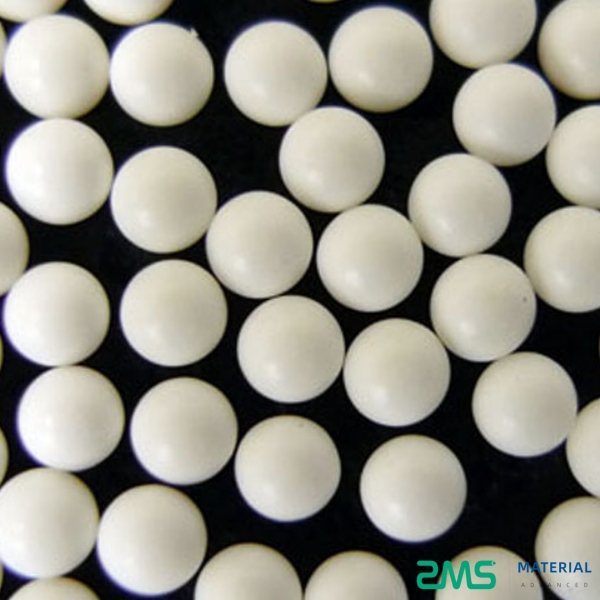
ZMS HGMS 1.6-1.9 g/cm³
White polymer microspheres are commonly used in separation media, fluidized bed experiments, visual tracing, filter materials, and lightweight packing systems. Their uniform spherical shape, lightweight nature, and resistance to chemical corrosion give them excellent stability and repeatability in fluid simulation, educational demonstrations, and industrial processes.
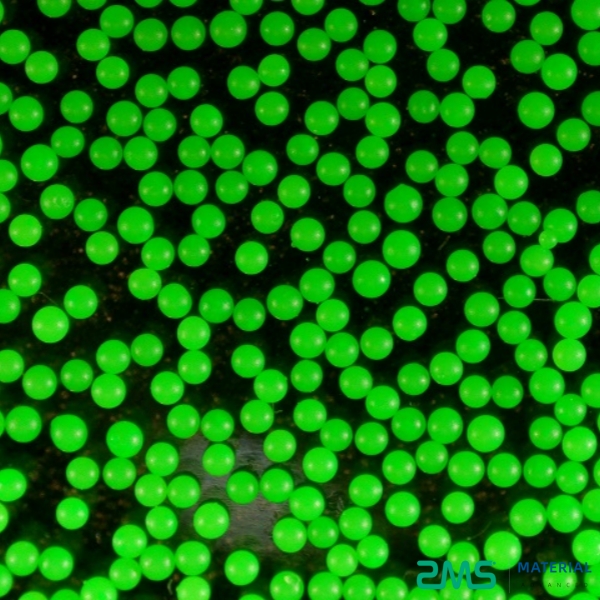
ZMS HGMS 1.01-1.1 g/cm³
Fluorescent green polyethylene microspheres are used for visual fluid experiments, particle tracing, filtration testing, particle calibration, and environmental monitoring. Their bright fluorescence, high chemical resistance, and good buoyancy enable them to exhibit extremely high recognition and stability in optical tracking and fluid dynamics research.
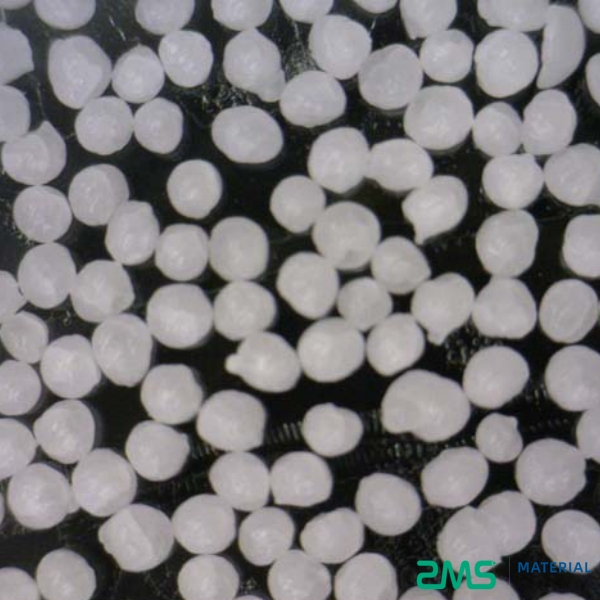
ZMS HGMS 0.96-0.99 g/cm³
Transparent polyethylene granules are used in filter media, fluidized beds, additive carriers, visual tracers, and lightweight filler materials. Their lightweight, transparency, abrasion resistance, and high chemical stability enable reliable flowability and visualization in experimental systems and industrial processes.
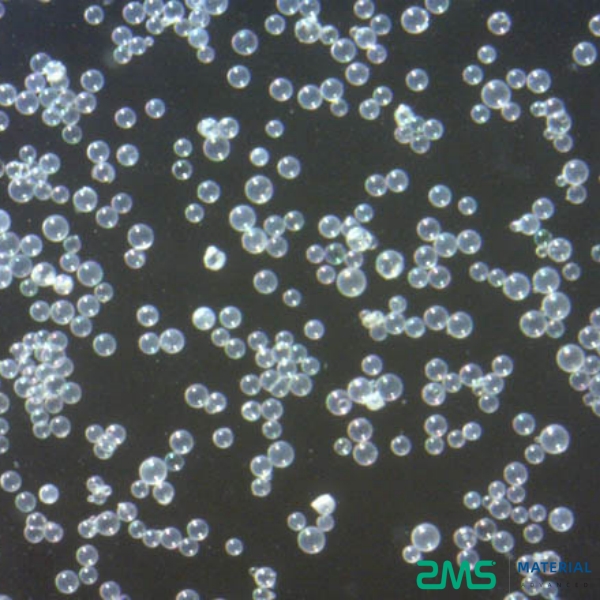
ZMS HGMS 0.21-0.26 g/cm³
Titanium dioxide-coated photocatalytic hollow glass microspheres are used for air purification, water treatment, photocatalytic degradation, and high-performance energy saving. Their hollow structure results in ultra-low density and high specific surface area, while the TiO₂ coating provides strong photocatalytic activity, enabling them to remove contaminants and be repeatedly recycled.
◼ Solid Buoyancy Materials

- Solid buoyancy materials for deep-sea submersibles;
- Buoyancy materials and risers for offshore oil drilling platforms and seabed mining equipment;
- Buoyancy materials for oil pipelines; Marine optical cable sheathing materials.
Advantages: The performance of buoyancy materials depends on the strength, specific gravity, and particle size distribution of hollow microspheres, thereby achieving maximum filling and meeting the requirements of all sea state applications. Resistant to seawater corrosion, high strength, and high buoyancy, providing unpowered buoyancy for deep-sea submersibles and offshore equipment.
◼ Unmanned Aerial Vehicle (UAV) Airframe Materials
Reduce airframe weight to free up more mass space for increased fuel and payload, extending flight range and endurance.
◼Sensitizers and Explosive Enhancers
Adding 2% to 6% hollow glass microspheres to the matrix of emulsion explosives can improve their explosive sensitivity and energy output.
◼ Plastic Interior Components for Aircraft, High-Speed Rail, and Automobiles

In recent years, the annual growth rate of engineering plastics usage worldwide has exceeded 20%. Lightweighting and energy conservation/emission reduction have become global environmental development strategies.
Currently, several lightweight modified plastics have been successfully developed, including PA6 for bus seats, PA66 for engine hoods, PP for automotive door panels, and PP for dashboards.
- For example, the average weight of plastic parts in automobiles is about 150 kg. If hollow glass microsphere composite materials are used, the weight of plastic parts can be reduced by about 20%, saving 0.18 liters of fuel per 100 kilometers per vehicle, a fuel saving rate exceeding 2%.
- For example, aircraft cabins use a large number of plastic parts; using hollow glass microsphere composite materials for seat armrests alone can save 1000 liters of fuel per aircraft per year.
◼ Automotive Engine Cover Plate
If PA6 GF30 GB7 hollow glass microsphere material is used instead of ordinary PA6-MG30 plastic, the engine cover plate can be reduced in weight by about 11%, and the dimensional stability of plastic parts is improved, shrinkage and warping are reduced, NVH performance is improved, noise is reduced, injection molding cooling time is shortened by about 10%, efficiency is improved, and thus costs are reduced.
◼ Center Armrest/Center Console
If PP GF5 GB5 hollow micro-material is used instead of PP T20 ordinary material, the center armrest or center console is expected to reduce weight by about 14%, and improve the dimensional stability of plastic parts, reduce shrinkage and warping, improve NVH performance, reduce noise, shorten injection molding cooling time by about 10%, improve efficiency, and thus reduce costs.
◼ Low-Dielectric Engineering Plastics

• In 5G communications, millimeter waves are mostly used. These waves have short wavelengths, poor diffraction capabilities, and significant attenuation during propagation, greatly reducing the dielectric constant of the materials.
• The unique hollow, thin-walled structure of hollow microspheres effectively improves the dielectric properties of 5G materials, increasing signal transmission speed and reducing signal delay and loss.
• Commonly used as housings and cladding for 5G base stations and antenna systems, and as protective materials for smart terminals.
◼ Copper Clad Laminate (CCL) for Printed Circuit Boards
CCL material is composed of resin, glass fiber, hollow glass microspheres and copper foil. Hollow glass microspheres are a key basic material for low dielectric PCBs.
Adding hollow glass microspheres to adhesives can improve their flowability, reduce density, effectively control adhesive layer thickness, reduce shrinkage and cracking, enhance aging resistance, and impart properties such as heat insulation, sound insulation, electrical insulation, and flame retardancy.

- Application Industries: Military, aerospace, high-speed rail, automotive, electronics, construction, environmental protection, packaging, medical and health, textiles, etc.
- Application Types: Silicone-based, epoxy resin-based, acrylic-based, polyurethane-based, synthetic rubber-based, etc.
◼ Building Energy-Saving Reflective Thermal Insulation Coatings

In some countries or regions with hot summers and mild winters, reducing heat absorption by buildings through reflective thermal insulation coatings on exterior walls has become one of the mainstream applications.
◼ Building Energy-Saving Insulation Materials
- Hollow microspheres are inorganic materials whose hollow structure endows them with thermal insulation properties, making them excellent external wall insulation materials.
- High-strength fireproof, thermally insulated, and decorative integrated panels made of glass microspheres and aerogel have a thermal conductivity of up to 0.03 W/(m·K).
- Glass microsphere + aerogel composite materials can be directly applied to exterior and interior walls via spraying; they offer short construction periods, fire resistance, and excellent overall thermal insulation performance.
◼ Industrial Coatings
Industrial Insulation: Thermal insulation and waterproofing for oil pipelines, oil storage tanks, communication base stations, large grain silos, etc.
Industrial Corrosion Protection: Thermal insulation and corrosion protection for ships, industrial tanks, and pipelines.
◼ Drilling Fluid and Low-Gravity Cement Slurry
- Adjusting the specific gravity of the drilling fluid to increase the fluidity of the cement slurry
- Preparing low-gravity cement slurry, precisely controlling its specific gravity, balancing formation pressure, and ensuring cementing effectiveness and safety
- Ensuring continuous operation, reducing operation cycles, and improving work efficiency
◼ Tire Insulation Layer
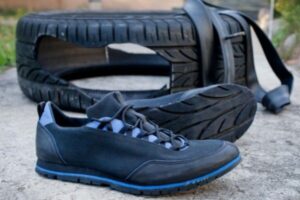
Hollow glass microspheres coated into the tire cord fabric interlayer serve as an insulation layer, effectively isolating the tire’s internal and external heat. This prevents internal tire pressure from increasing due to temperature rise, thus preventing explosions; it has been used in forest fire fighting.
◼ Lightweight Footwear Materials
The addition of rubber to hollow glass microspheres significantly reduces the specific gravity of footwear materials.
◼ Industrial Rubber
Fillers for the rubber layers of cable and optical fiber sheaths, and fillers for various rubber sealing rings.
◼ Elastomer Materials for Home Furnishings
Fillers for latex pillows, latex mattresses, sofas, and other home furnishings and bedding, enhancing the material’s texture, improving memory properties, and increasing resilience.
◼ Sports Equipment: Climbing blocks, bowling balls, golf balls, etc.

◼ Resin Abrasive Wheel Pore-forming Agent
◼ Wood Substitutes
◼ Artificial Stone