هذه مقالة مواد متقدمة للمصنعين, واضعي المعايير, ومحترفي الشراء. ويغطي التعاريف, عائلات مادية, الخصائص الرئيسية, صياغة وتجهيز, الاختبار والمعايير, التطبيقات في الكابلات والمنتجات الصناعية, إرشادات الاختيار, اتجاهات الاستدامة, وكيف الموردين (مثل ZMS) يمكن أن توفر الحلول المناسبة.
في عالم الصناعة والكهرباء اليوم, المواد تحدد الأداء.
من كابلات نقل الطاقة إلى أسلاك السيارات, من العزل الإلكتروني إلى الأتمتة الصناعية - مواد البوليمر المتقدمة أصبحت الأساس غير المرئي وراء الابتكار والموثوقية.
كما تتطلب الصناعات أكثر أمانا, أخف وزنا, ومنتجات أكثر كفاءة, تستمر تكنولوجيا البوليمر في التطور. يتم الآن تحسين أو استبدال المواد التقليدية مثل PVC وPE مركبات البوليمر الخاصة مصممة لأداء أعلى والمعايير البيئية.
في مادة ZMS, نحن متخصصون في تطوير وتوريد مركبات البوليمر المتقدمة لعزل الكابلات, تغليف, والتطبيقات الصناعية. تم تصميم موادنا لتوفير قوة ميكانيكية فائقة, الاستقرار الحراري, والمقاومة الكيميائية - لتمكين عملائنا من تحقيق منتجات أكثر أمانًا وكفاءة في جميع أنحاء العالم.
المقدمة — أهمية المواد البوليمرية المتقدمة
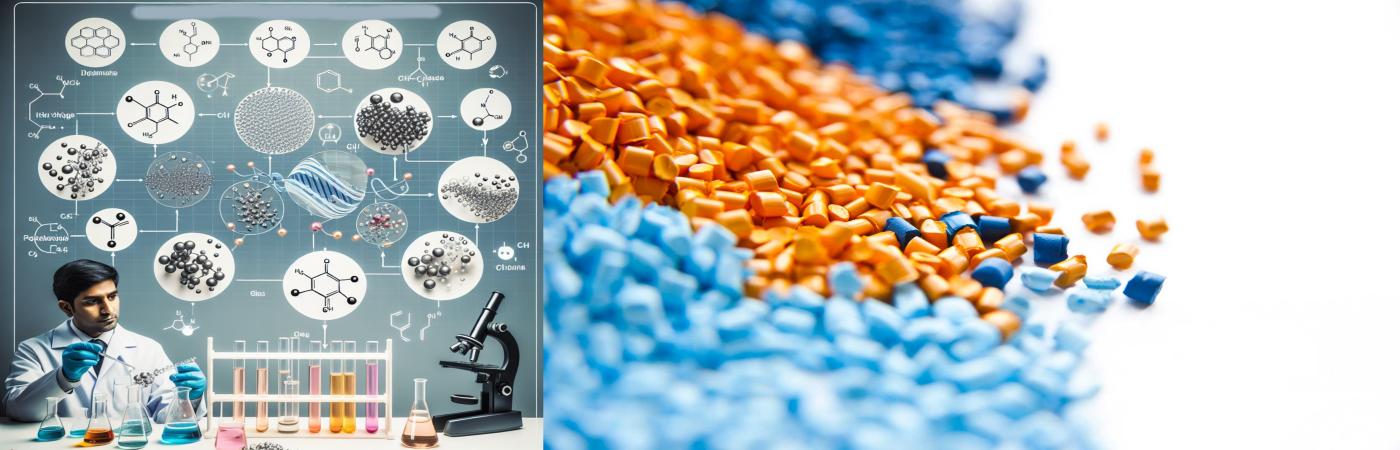
مواد بوليمرية متقدمة, يشار إليها أحيانا باسم البوليمرات الهندسية, البلاستيك التخصصي, أو اللدائن الحرارية واللدائن المرنة عالية الأداء, غالبًا ما يتم وصفها بشكل حبيبي على هذا النحو في هذه المقالة, هي حجر الزاوية الهيكلي للقوة الحديثة, صناعي, وأنظمة السيارات. من خلال تركيبات مخصصة, أنها توفر العديد من المزايا التي لا مثيل لها من قبل الحبيبات البلاستيكية العادية, بما في ذلك العزل الكهربائي, القوة الميكانيكية, الاستقرار الحراري, المقاومة الكيميائية, تثبيط اللهب, والود البيئي.
لمصنعي الكابلات ومصممي المنتجات الصناعية, يعد اختيار مركب البوليمر المناسب أمرًا بالغ الأهمية: فهو يحدد سلامة المنتج, عمر, امتثال, والفعالية من حيث التكلفة. من مركبات LSZH الخالية من الهالوجين منخفضة الدخان للكابلات تحت الأرض إلى أغلفة النايلون القوية للبيئات القاسية, تتيح البوليمرات المتقدمة إنشاء أداء عالي, متوافقة مع المعايير, والمنتجات الصناعية المستدامة.
يشرح هذا الدليل التعاريف, التصميم الهندسي, وطرق اختبار هذه المواد, بالإضافة إلى كيفية اختيار مركب المادة المناسب للكابل أو التطبيق الصناعي. تهدف هذه المقالة إلى أن تكون جزءًا أساسيًا لمواقع موردي المواد, توفير شامل, محتوى موثوق, وتحسينها بشكل مناسب لجمهورها المستهدف.
تعريف "مواد البوليمر المتقدمة"
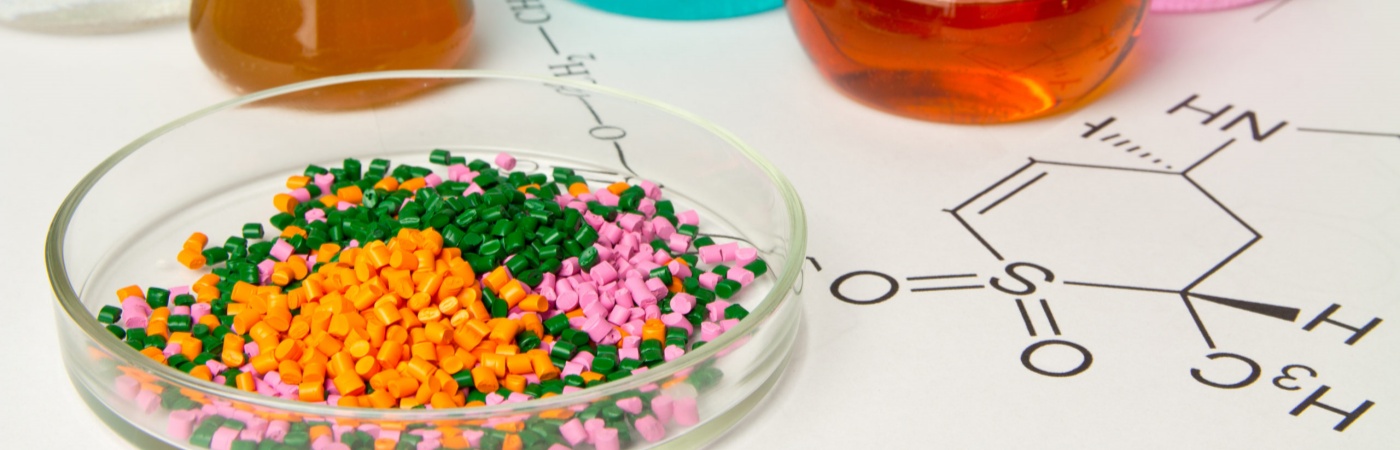
تشير المواد البوليمرية المتقدمة إلى تركيبات البوليمر المصممة لتلبية معايير أداء أكثر صرامة بكثير من المواد البلاستيكية العادية مثل كلوريد البولي فينيل الأساسي (بولي كلوريد الفينيل) والبولي ايثيلين (بي).
وهي تشمل عادة:
- راتنجات البوليمر المخصصة, مثل البولي إيثيلين عالي الكثافة (البولي إثيلين عالي الكثافة), البولي إيثيلين المتقاطع (XLPE), النايلون الهندسي, البولي يوريثين بالحرارة (تي بي يو), البوليمرات الفلورية, إلخ.
- إضافات وظيفية, مثل مثبطات اللهب, المثبتات, الملدنات, ومعدلات التأثير.
- الحشو ومواد التعزيز, مثل الألياف الزجاجية, الحشوات المعدنية, والتآزر مثبطات اللهب.
- طرق المعالجة الخاصة, عادة بما في ذلك مضاعفة, قذف, الربط المتقاطع, والمعالجة الإشعاعية.
تم تصميم هذه المواد كمواد مركبة - خليط من الراتنجات الأساسية والمواد المضافة - لتحقيق التوازن الكهربائي, ميكانيكية, الحرارية, والخصائص البيئية.
في تطبيقات الكابلات, يجب أن تلبي المواد المركبة في نفس الوقت متطلبات مقاومة العزل, قوة عازلة, تثبيط اللهب, حدود الدخان/السمية, ومقاومة الشيخوخة على المدى الطويل.
عائلات المواد الرئيسية & أين يتم استخدامها
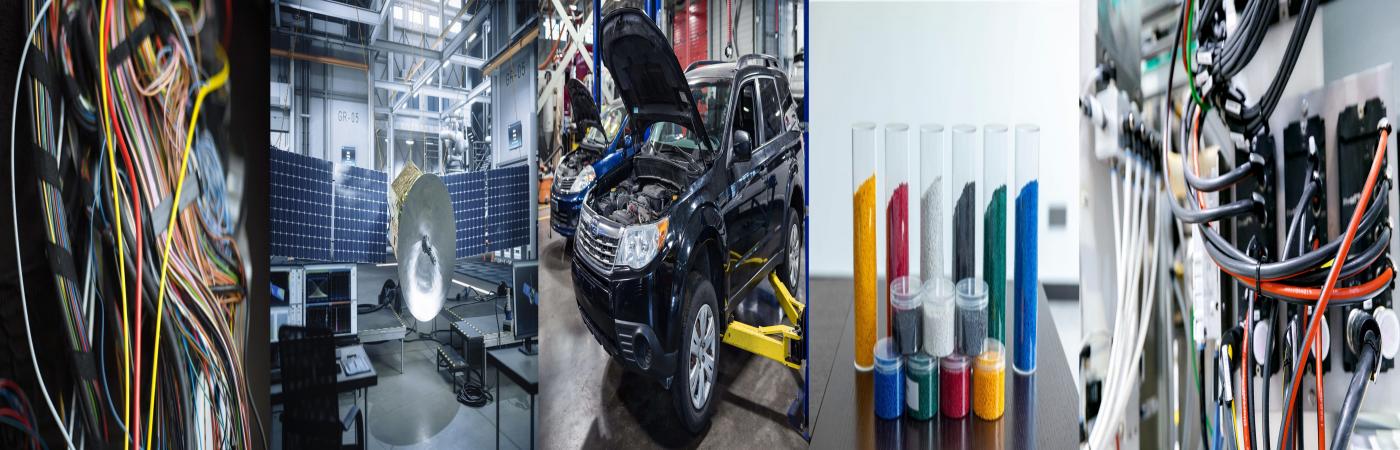
وفيما يلي عائلات البوليمر الرئيسية المتقدمة المستخدمة في الكابلات والمنتجات الصناعية, مع الأدوار النموذجية وإبرازات الأداء.
بولي فينيل كلوريد (بولي كلوريد الفينيل) مركبات
- التطبيقات: عزل وتغليف الكابلات بشكل عام, أسلاك البناء, كابلات التحكم, أسلاك الكهرباء للأجهزة المنزلية.
- المزايا: اقتصادية, مثبطات اللهب جيدة (من خلال التعديلات الإضافية), سهلة المعالجة, توفر درجات الملدنات مرونة جيدة.
- أصناف متقدمة: بولي كلوريد الفينيل الصلب والـ PVC المرن, مركبات PVC المقاومة للهب, PVC ذو درجة حرارة منخفضة, وأنواع أخرى مختلفة متاحة; التخصيص ممكن.
- احتياطات: يؤثر اختيار الملدنات والمثبتات على الأداء طويل المدى والامتثال التنظيمي (بنفايات, يصل).
بي / البولي إثيلين عالي الكثافة / البولي إثيلين المنخفض الكثافة / XLPE (عائلة البولي ايثيلين)
- التطبيقات: عزل كابلات الطاقة (XLPE), سترات كابلات الاتصالات والبيانات منخفضة الخسارة, سترة مقاومة للنفط.
- المزايا: عزل كهربائي ممتاز, خسارة عازلة منخفضة, مقاومة كيميائية جيدة.
- المتغيرات المتقدمة: البولي إيثيلين المتقاطع (XLPE), مع ارتفاع المقاومة للحرارة والقوة الميكانيكية; تعمل خلطات البولي إيثيلين المعدلة على تحسين مقاومة الأشعة فوق البنفسجية ومقاومة الزيت.
LSZH / إل إس أوه (دخان منخفض صفر هالوجين / دخان منخفض، خالي من الهالوجين)
- التطبيقات: مناسبة للتطبيقات العامة التي تتطلب الحد الأدنى من الدخان/السمية, مثل البناء, الأنفاق, السكك الحديدية, مترو الانفاق, والسفن.
- أسباب الاستخدام: إطلاق دخان منخفض للغاية أثناء الاحتراق وعدم إنتاج حمض الهالوجين, thereby improving evacuation efficiency during fires, increasing safety, and reducing equipment corrosion.
- Formulation: Halogen-free flame retardant system—aluminum hydroxide, magnesium hydroxide, phosphorus synergist, plus polymer matrix—polyolefin, thermoplastic elastomer.
Nylon Material – Polyamide PA
- التطبيقات: Cable sheathing, braided tubing, connectors, OEM industrial components, etc., used in industrial machinery or abrasive environments.
- أسباب الاستخدام: Excellent flexural toughness, مقاومة التآكل, heat resistance, and good chemical resistance.
- Variations: Nylon series PA6, PA66, PA11 bio-based; each variant has different moisture absorption and temperature characteristics and can be customized.
TPU/TPE Thermoplastic Polyurethane/Elastomer
- التطبيقات: Commonly used for flexible cable sheaths, oil-resistant or chemically resistant hoses, and abrasion-resistant cable sheaths.
- Reasons for use: Elastic flexibility, مقاومة التآكل, good low-temperature flexibility, and excellent aesthetics.
Fluoropolymer Series PTFE, FEP, PFA
- التطبيقات: High-temperature cables, aerospace wire insulation, chemical process instrumentation.
- Reasons for use: Extremely excellent thermal stability, low dielectric constant, chemical inertness, and high operating temperature.
- Disadvantages: Due to the need for special processing techniques, the cost is relatively high, and the selection is limited.
Specialty Engineering Resins PPO, PES, PPS, PEEK
- التطبيقات: Used in aerospace, medical, and industrial electronics applications requiring high temperatures and high reliability.
- المزايا: Excellent mechanical toughness and thermal stability; suitable for applications with extremely high service life requirements at high temperatures.
Core Performance & Its Importance
When selecting or formulating compounds, engineers primarily focus on the following performance areas:
Electrical Performance
- Dielectric Strength: The ability to resist electrical breakdown—a critical performance characteristic of insulating materials.
- Dielectric Constant & Loss Factor: Affect signal attenuation and loss in data/communication cables.
- Surface Resistivity & Volume Resistivity: Related to leakage current and tracking resistance.
Mechanical and Physical Properties
- Tensile strength, elongation at break, and modulus: Determine the mechanical strength of the compound.
- Abrasion Resistance & Cut Resistance: Crucial for cable sheaths and industrial cables.
- Flexibility & Flexural Life: Crucial for mobile cables (e.g., robots, cable chains).
- Impact Resistance & Toughness: Prevent cracking under mechanical stress.
Thermal Properties
- Heat Distortion Temperature & Continuous Operating Temperature: Determine the maximum operating temperature.
- Thermal Aging Stability: The ability to maintain performance over a long period at high temperatures.
- Flammability & Flame Spread Behavior: Complies with standards such as IEC 60332 series.
Chemical and Environmental Resistance
- Oil, fuel, and solvent resistance: Crucial for automotive and industrial environments.
- UV Resistance & Weather Resistance: Essential for outdoor applications.
- Hydrolysis Resistance: Related to polyamides and moisture-sensitive polymers.
Fire, Smoke, and Toxicity
- Flame Retardancy: Measured by test methods such as IEC 60332; achieved through flame-retardant systems.
- Smoke Concentration: Measured by test methods such as ISO 5659 (SDA) – Crucial in confined spaces.
- Toxicity & Corrosivity: Halogen-free systems avoid the generation of hydrogen halides that corrode electronic equipment.
Compounding: How Properties are Engineered
Advanced polymer compounds are created by blending a base polymer with carefully selected additives. Key compounding considerations:
Additives and their functions
- Flame Retardants: Halogenated FRs (effective but produce corrosive gases), ATH, MH and phosphorus-based systems (halogen-free).
- Stabilizers & Antioxidants: Protect against thermal and oxidative degradation during processing and service.
- Plasticizers & Flexibilizers: Improve low-temperature flexibility (important for PVC).
- Fillers & Synergists: Improve flame retardancy, mechanical strength or reduce cost (e.g., الحشوات المعدنية).
- Coupling Agents & Compatibilizers: Ensure dispersion and interfacial adhesion in filled systems.
Processing Technologies
- Extrusion: Primary for cables; requires precise melt properties.
- Crosslinking: Radiation or peroxide crosslinking for XLPE to enhance thermal performance.
- Compound Homogenization: Twin-screw extruders and high shear are used for dispersion of additives.
Quality Control During Compounding
Melt flow index (MFI), gel counts, dispersion analysis, and thermal analysis (DSC, TGA) are used to ensure consistent batches.
Testing Standards & شهادة
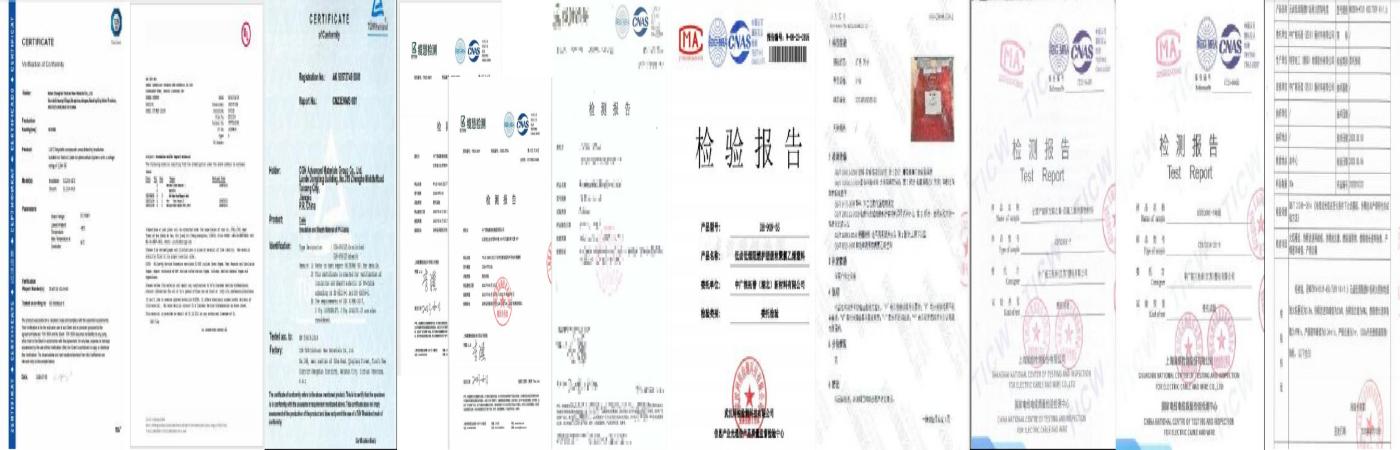
Adherence to industry standards is crucial for market entry and gaining customer trust. Common standards and tests include:
Electrical and Thermal Properties
IEC 60228 (Conductors), IEC 60502 (Power Cables), ASTM D149 (Dielectric Strength)
Flame and Smoke Properties
IEC 60332 (Flame Spread), IEC 61034 (Smoke Density), EN 50399, ايزو 5659
Mechanical and Environmental Properties
IEC 60811 (Test Methods for Cables and Fiber Optic Cables), ايزو 4674 (Bending Test)
Chemical and Safety Properties
بنفايات (Restriction of Hazardous Substances Directive), يصل (EU Chemicals Regulation)
Automotive Applications
Volkswagen, SAE, OEM specific oil aging and thermal aging standards
Railway and Marine Applications
EN 45545 (السكك الحديدية), IMO FTP (Marine) and relevant national regulations
Throughout the transaction process, material manufacturers must provide data sheets, test reports, and third-party certifications to demonstrate that their products comply with relevant regulations. For specific markets (such as medical and aerospace), additional certification and traceability are required.
Typical Cable Applications & Material Choices
The following are common cable types and recommended compound series:
Low and Medium Voltage Distribution: البولي إيثيلين المتقاطع (XLPE) insulation, polyethylene (بي) or low smoke halogen-free (LSZH) sheath
Building Wiring and Instrumentation: General purpose PVC insulation; Low smoke halogen-free (LSZH) sheath for enclosed spaces
Telecommunications and Data Cables: Low dielectric loss foamed polyethylene (بي) or fluoroethylene (FEP); fire-resistant low smoke halogen-free (LSZH) sheath
Automotive Cables: Thermoplastic elastomer (TPE)/البولي يوريثين بالحرارة (تي بي يو), and specialized polyamide (السلطة الفلسطينية) compounds for oil/fuel resistance and flexural strength
Marine and Offshore Applications: Halogen-free flame-retardant compounds with excellent weather and oil resistance
Aerospace and High-Temperature Applications: Polytetrafluoroethylene (PTFE), perfluoroalkylene (PFA), high-performance thermoplastics Choosing the right material requires a balance between performance, cost, manufacturability, and regulatory compliance.
| Industry | طلب | Typical Material |
| قوة & طاقة | LV/MV Cable insulation and sheathing | PVC7013N, LSZH |
| بناء | Fire-resistant building wires | LSZH, تي بي يو |
| السيارات | Sensor and control cables | PA1001-S, تي بي يو |
| Communication | Data and signal cables | LSZH, بي |
| Marine & Offshore | Oil-resistant, halogen-free cables | LSZH, تي بي يو |
| Industrial Automation | Robotics, control systems | TPE, السلطة الفلسطينية |
Given the wide variety of granular products available, it is impossible to cover all their applications. We encourage you to contact us with any questions you may have, and we will provide you with detailed technical parameters and product selection advice.
A structured Selection Process Reduces Risk
- Customers must clearly define the performance requirements of the desired product.
- Determine the product’s operating temperature, voltage, mechanical load, application environment (e.g., UV, oil, chemicals), and flame retardancy/smoke limits.
- Identify applicable standards.
- Regulatory, صناعة, and end-user specifications.
- Initially, screen out general categories as candidate polymers, then select suitable ones based on required performance.
- Based on dielectric, ميكانيكية, and thermal performance targets.
- Define compound-level performance.
- Tensile strength, elongation, قوة عازلة, flame retardancy rating, smoke index, and aging performance.
- Prototyping and processing testing.
- Extrusion testing, crosslinking assessment, adhesion to conductors, and color/surface treatment.
- Testing and certification.
- Laboratory testing, fire resistance testing, accelerated aging testing, and necessary third-party certifications.
- Scaling up and supply chain checks.
- Ensure the stability and quality control of raw material procurement for large orders.
Manufacturing & Supply Considerations
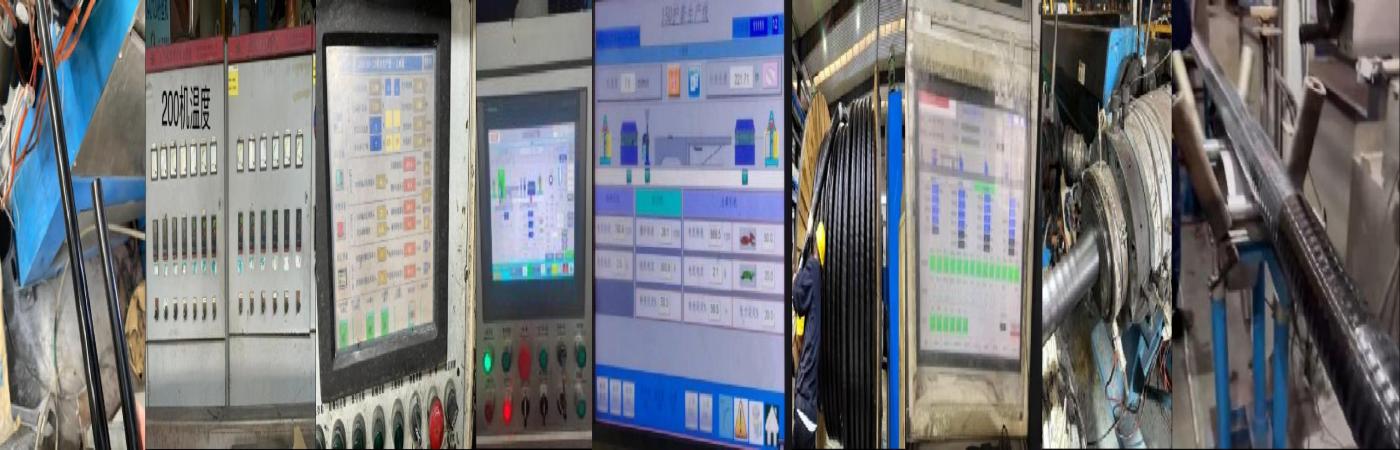
When procuring compounds or collaborating with material suppliers, please verify the following:
Quality Management System: If applicable, ايزو 9001, فرقة العمل المشتركة بين الوكالات 16949 (Automotive Industry), and ISO 14001 environmental certifications are required.
Batch traceability and Certificate of Analysis (CoA).
Raw Material Procurement and Risk Mitigation: Alternative suppliers for critical additives.
الدعم الفني: Collaboration on processing parameters, استكشاف الأخطاء وإصلاحها, and compound customization.
Delivery Time and Logistics: Customs, tariffs, and shipping reliability are critical for global supply.
Reliable suppliers provide not only materials but also application engineering, process support, and testing assistance.
Environmental and Regulatory Trends
Global Trends Influencing Polymer Selection:
Halogen-Free and Low-Smoke Demand: Increasingly stringent regulations for safer combustion products in public spaces (الأنفاق, السكك الحديدية, buildings) are driving consumers to choose these products.
Restricted Substances (بنفايات, يصل): Controls on heavy metals, phthalates, and certain flame retardants.
Circular Economy and Recyclability: Designing for disassembly and material recycling; using recyclable polymers or bio-based alternatives whenever possible.
Lower Carbon Footprint: Suppliers offering life cycle assessments (LCAs) and low-carbon precursors will gain a market advantage.
Suppliers must proactively adapt their formulations to comply with regulations and provide sustainability certifications.
Common Challenges & How to Mitigate Them
Additive compatibility and processing performance: Poor dispersion of fillers or flame retardants can affect material properties. This can be mitigated by optimizing compounding, coupling agents, and process control.
- Flame Retardancy Versus Mechanical Properties: Adding mineral fillers can reduce toughness—this can be balanced using synergists and polymer blends.
- Hygroscopicity: على سبيل المثال, nylon may be pre-dried during processing, or copolymer/polyamide variants with lower hygroscopicity may be used.
- Coloring and Appearance: Pigments can affect extrusion stability; pigment selection and dispersibility must be verified.
- Batch Variation: Rigorous laboratory testing of supplier quality assurance and incoming raw materials is essential.
Frequently Asked Questions (FAQ)
A: LSZH refers to halogen-free compounds that produce low smoke and non-acidic gases when burning. FR PVC uses halogenated systems to achieve flame retardancy but can emit corrosive halogen acids. LSZH is preferred in enclosed public spaces for safety reasons.
A: Choose XLPE when you need higher continuous operating temperature, lower dielectric losses, and better long-term thermal aging. PVC may be chosen for cost-sensitive or lower-temperature applications.
A: Extremely important — especially for custom compounds, start-up trials, and troubleshooting production issues. Good suppliers provide processing window, extrusion parameters and trial support.
How to Support Customers
مادة ZMS, as a professional materials supplier, typically provides the following information:
Product Portfolio: Standard and custom compound formulations for insulation, تغليف, and special applications (low-smoke halogen-free, oil-resistant, heat-resistant).
Technical Data Sheets and Testing: Complete electrical, ميكانيكية, الحرارية, and fire-resistant test data.
Prototyping and Testing: Provision of sample quantities and on-site/remote extrusion and process optimization support.
Certification Assistance: Provision of test reports and regulatory compliance documentation conforming to IEC/EN/ASTM standards.
Application Engineering: Application engineers provide material selection advice to optimize cost and performance.
Sustainable Options: Where applicable, halogen-free, recyclable, or bio-based alternatives are available.
Conclusion — The Role of Advanced Polymers in Tomorrow’s Cables & Industrial Products
Advanced polymer materials are the enablers of safer, more efficient and longer-lasting cables and industrial components. Their engineered balance of electrical, الحرارية, mechanical and fire-safety properties is essential in demanding applications — from power grids and railways to automotive and aerospace systems.
For manufacturers and specifiers, understanding the material families, compounding strategies, testing regimes and regulatory landscape is crucial. A structured material selection path — from requirement definition to prototype testing and certification — reduces risk and speeds time-to-market.
If you’re developing a new cable or need to optimize an existing product, partner with a materials supplier that offers deep compounding expertise, robust quality systems, and hands-on application engineering. That partnership ensures your product meets performance targets, passes required tests, and aligns with evolving sustainability and safety expectations.
If needed, ZMS can:
Provide free consultation to help you determine the material requirements for your cables or products; Provide sample compounds and support trial extrusion runs; Provide test reports and assist with international standard certifications.
Contact ZMS for customized polymer compound solutions that meet your performance, safety, and cost requirements.