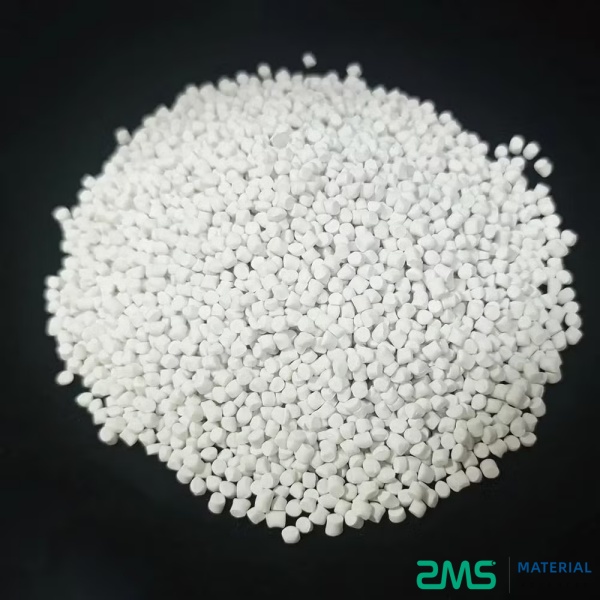
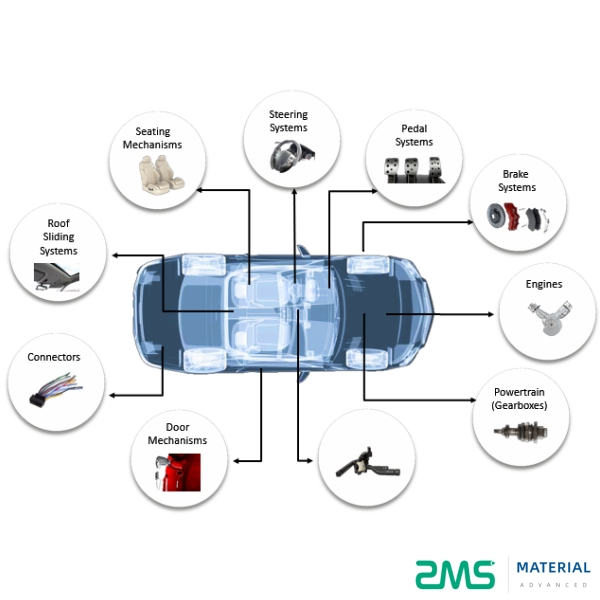
مادة TPU المعدلة للسيارات
Automotive TPU Modification Types
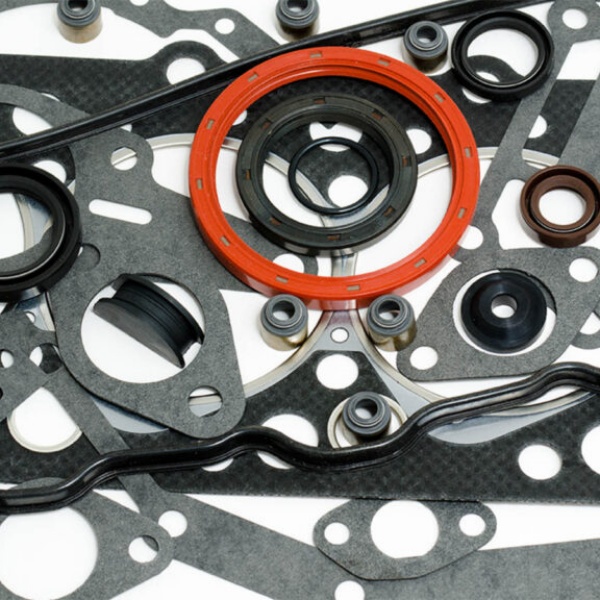
General Purpose Oil-Resistant & Abrasion-Resistant TPU
Density Range: 1.18 – 1.23 جم/سم3
Appearance and Color: Mostly regular cylindrical particles, about 2-4mm in diameter and 3-5mm in length; the base color is white or light yellow, some are light gray due to oil-resistant additives, and black and other light-blocking colors can also be customized to meet the light-blocking requirements of automotive fuel system components.
Core Applications: automotive high-pressure oil pipes, transmission seals, engine oil seals. It can resist mineral oil corrosion and is not prone to aging and leakage with long-term use, such as the sealing gaskets that connect the transmission and the engine.
Optimized Formulation: A modified polyester polyol + high-performance isocyanate system is suitable for high-temperature, high-oil-contamination engine conditions, offering approximately 25%-30% better oil resistance than conventional TPU.
Reinforcement & Wear Resistance System: Nano-inorganic fillers combined with high-strength fibers significantly improve surface hardness and scratch resistance, maintaining stable wear resistance even at 120℃.
Processing & Performance Balance: An optimized internal lubrication system balances oil resistance, mechanical properties, and processing fluidity, reducing mold wear and ensuring batch consistency.
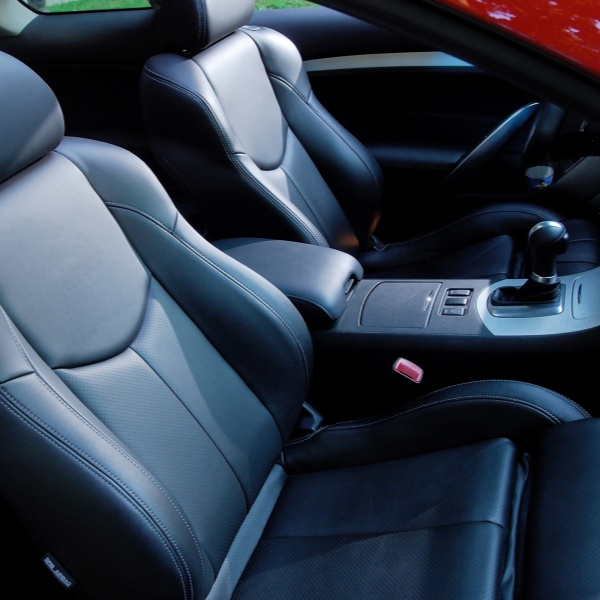
Low VOC Environmentally Friendly TPU
Density Range: 1.16 – 1.20 جم/سم3
Appearance & Color: The particles are uniform in shape and free of impurities. Common colors are off-white and light beige, avoiding the increase of VOC emissions from dark-colored additives; light gray, light brown and other mainstream interior colors can also be customized.
Core Applications: car seat upholstery, dashboard covering, door trim panels. It has low odor and VOC emissions that meet the strict standards of the automotive industry, improving in-car air quality. It also has a soft touch and will not crack or fade with long-term use.
Low-VOC Formulation Design: Utilizing low-residue polyether-based TPU and low-VOC additives, significantly reducing VOC emissions in the enclosed environment of a vehicle.
Adsorption-Based Filler System: The addition of nano-scale adsorption fillers effectively captures residual small molecules, further reducing odor and volatiles.
Balancing Stability and Durability: Optimized light stability and lubrication systems enhance anti-aging performance while preventing the release of small molecules, ensuring long-term environmentally friendly and stable performance.
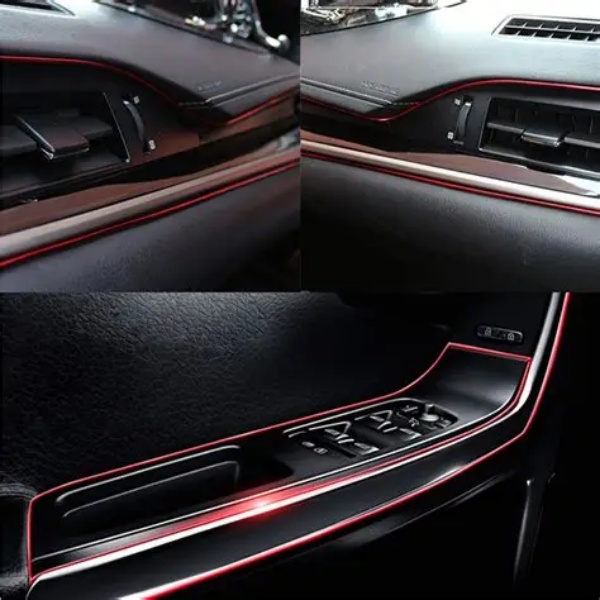
High-Transparency Decorative TPU
Density Range: 1.17 – 1.21جم/سم3
Appearance and Color: The granules are generally transparent or semi-transparent, with no obvious color difference or impurities, and the granule shape is regular to ensure uniform transparency after processing.
Core Applications: Transparent trim strips for automotive interiors, dashboard covers, and center console screen bezels offer excellent resistance to yellowing and maintain high transparency even after prolonged exposure to sunlight, combining aesthetics with scratch resistance.
Anti-blocking & Anti-Yellowing Design: A dedicated anti-blocking and surface-smoothing system, combined with anti-yellowing additives, reduces the risk of processing sticking and long-term light exposure-induced yellowing, maintaining a clear and transparent appearance.
Processing Stability & Substrate Selection: Optimized flowability and hydrolysis resistance, toughening system, and preferential use of aliphatic TPU substrates ensure high transparency and good impact resistance even under complex molding conditions.
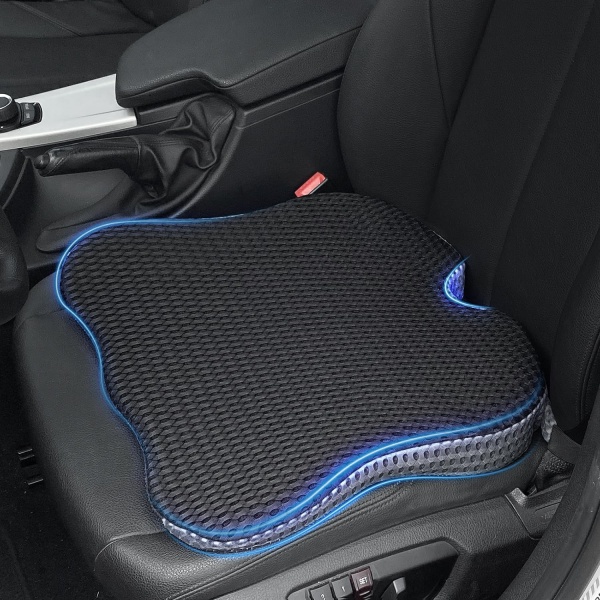
Foamed lightweight TPU
Density Range: 0.15 – 0.25جم/سم3
Appearance and Color: The granules are relatively fluffy, mostly white or light gray foam granules, and the particle diameter can be adjusted according to the foaming process.
Core Applications: Car bumper buffer layers, seat shock-absorbing pads, and chassis anti-collision pads are lightweight, which reduces the vehicle’s weight, while their high resilience effectively absorbs collision impact, reduces vehicle vibration, and improves ride comfort.
Lightweight Foaming Design: Through the precise control of cell structure using physical/chemical foaming agents combined with nucleating agents and foam leveling agents, a high foaming ratio and fine, uniform cell distribution are achieved, ensuring mechanical properties while reducing weight.
Long-Term Stability & Dimensional Control: The synergistic use of antioxidants, shrinkage modifiers, and chain extenders improves the heat resistance, aging resistance, and dimensional stability of the foamed material, ensuring that floor mats, interior foam components, etc., are less prone to shrinkage and cracking during long-term use.

Flame Retardant TPU
Density Range: 1.21 – 1.25جم/سم3
Appearance and Color: Mostly black granules, due to the addition of halogen-free flame retardants, they have strong color stability and regular particle shape, avoiding uneven distribution of flame retardant components during processing.
Core Applications: Car bumper buffer layers, seat shock-absorbing pads, and chassis anti-collision pads are lightweight, which reduces the vehicle’s weight, while their high resilience effectively absorbs collision impact, reduces vehicle vibration, and improves ride comfort.
Halogen-Free Flame Retardant Formulation: Utilizing a halogen-free flame retardant system based on organophosphorus siloxanes and polyphosphazenes, combined with a charring mechanism, it meets UL94 V-0 standards while maintaining low smoke and low odor.
Abrasion Resistance & High-Temperature Stability: Through abrasion-resistant additives such as molybdenum disulfide and PTFE, as well as a small amount of ceramic components, the abrasion resistance of the flame-retardant TPU is improved, and its structural stability at high temperatures is enhanced, making it suitable for harsh automotive operating conditions.
Advantages of Choosing ZMS Material
Advantages of Modification Technology
Core Modification Process: ZMS Material’s independently developed oil-resistant formula uses nano-level additive dispersion technology to ensure that the TPU particles have stable oil resistance in an environment of -40℃~120℃, and the performance retention rate is ≥90% after 72 hours of mineral oil immersion.
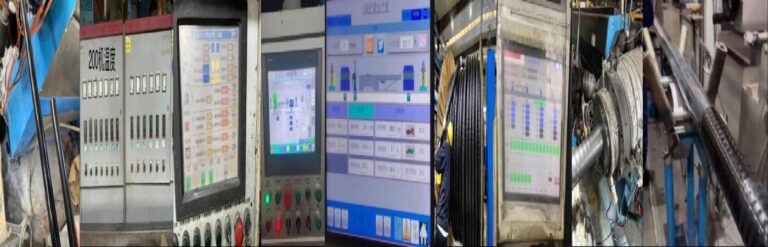
ر&D Equipment: We have 12 modified experimental production lines, equipped with professional instruments such as infrared spectrometers, universal tensile testing machines, and VOC detection equipment, and can customize personalized parameters such as hardness and density according to customer needs.
Technical Team: ZMS’s core R&D team has over 10 years of experience in TPU modification. Through collaboration with the joint R&D center of the polymer materials laboratory, the team has accumulated 15 modification technology patents to date.
TPU Material Certification
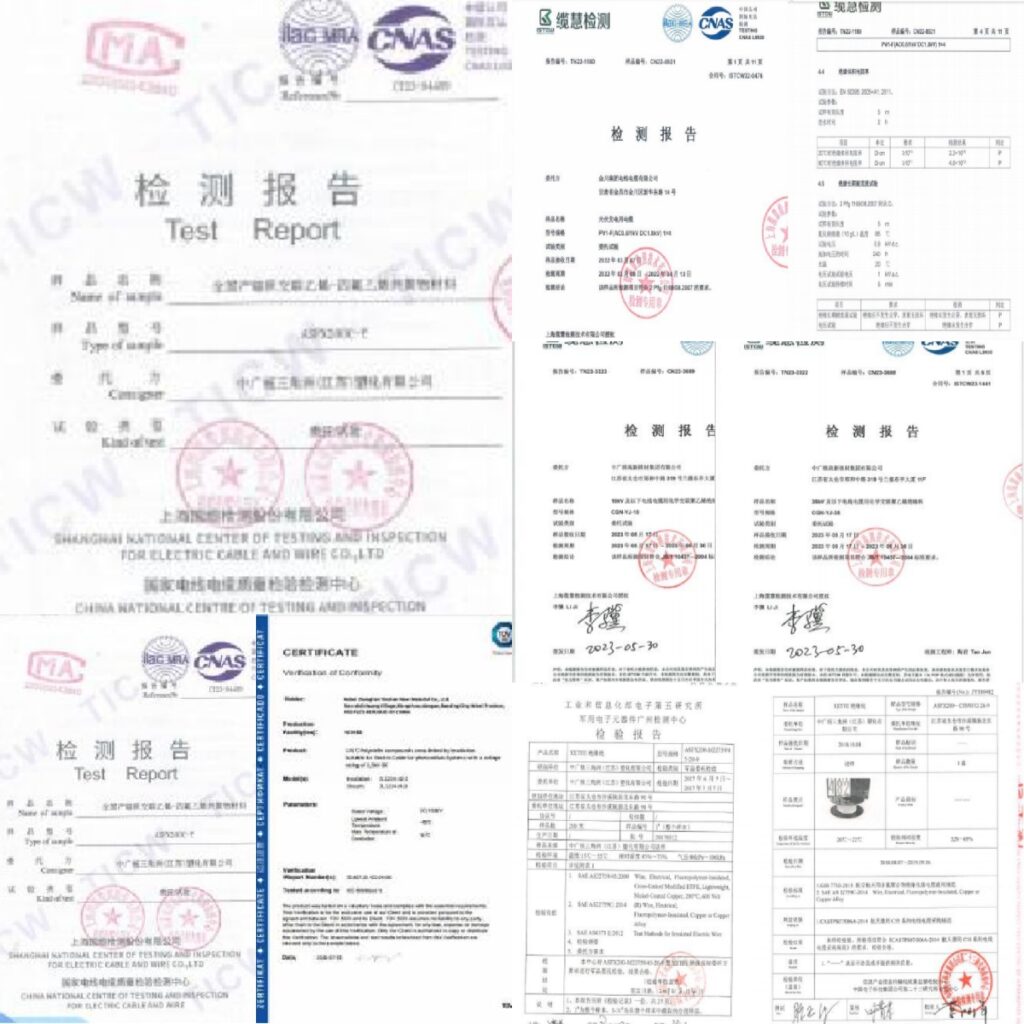
Authoritative Certifications:
- EU: يصل, بنفايات, CE;
- US: FDA Food Contact Grade, UL94 Flame Retardant;
- Automotive Industry: bluesign®, ELV Directive;
- Medical Industry: ايزو 10993, USP Class VI;
Testing Report Support: Third-party testing reports (SGS, TÜV) are available, covering key indicators such as VOC emissions, weather resistance, and abrasion resistance. Complete testing data is available for customer factory inspections;
Environmental Protection and Sustainability: Bio-based TPU products are ISCC+ certified, with a bio-based content of up to 60%, and a recyclable product recycling rate of ≥90%, aligning with carbon footprint reduction policies.
Production Scale
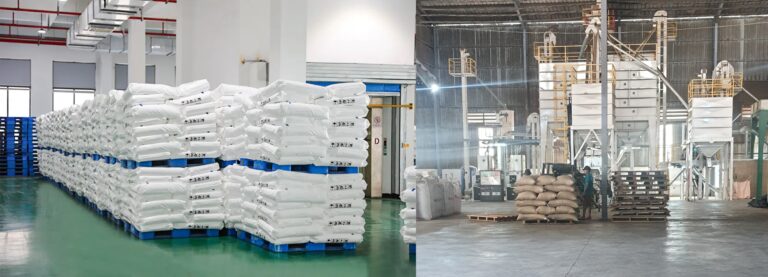
Last year, our factory and partner factories achieved an annual production capacity of 5,000 طن, with a daily output of ≥15 tons per production line, and a stock of ≥50 tons of standard models. The delivery cycle for customized products can be shortened to 7-15 working days. Furthermore, each factory adheres to automated feeding and online quality inspection systems, ensuring particle size tolerance ≤±0.1mm and color uniformity deviation ≤ΔE2.0. Each batch of products comes with a Certificate of Analysis (COA). If you are interested in and trust our products, please contact us!
خدمات المواد ZMS & اللوجستية
الدعم الفني الاحترافي
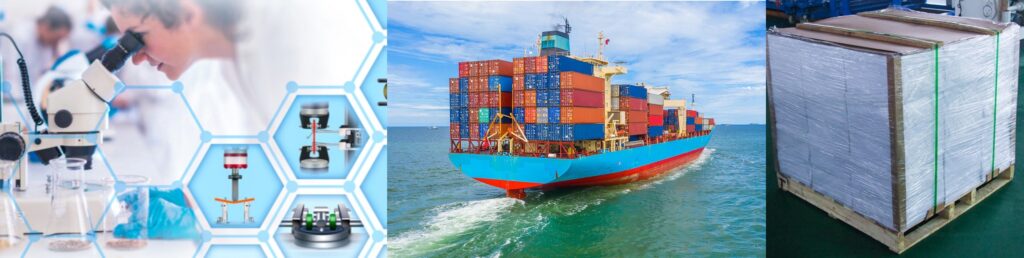
يقدم مهندسو المواد ذوو الخبرة في ZMS إرشادات حول اختيار المركب, تصميم عزل الكابلات, وتركيبات مخصصة لمختلف الدرجات. نحن نضمن أن كل دفعة تلبي متطلباتك الكهربائية, ميكانيكية, ومتطلبات السلامة من الحرائق.
ضمان الجودة & خدمة ما بعد البيع
تخضع كل دفعة من حبيبات المواد لمراقبة الجودة الصارمة, بما في ذلك الكثافة, قوة عازلة, واختبار تثبيط اللهب. فريق ما بعد البيع لدينا متاح لتقديم الاستشارة, استكشاف الأخطاء وإصلاحها, وخدمات الاستبدال إذا لزم الأمر.
حلول التغليف المخصصة
يتم توفير مركبات مادة ZMS في شكل حبيبات أو حبيبات ويتم تعبئتها عادةً في أكياس بولي إيثيلين مقاومة للرطوبة, براميل ورق الكرافت, أو براميل بلاستيكية. يمكننا أيضًا توفير عبوات مخصصة برسومات مخصصة لحماية سلامة المواد أثناء النقل والتخزين.
شحن مرن & توصيل
نحن نعمل مع شركاء لوجستيين موثوقين لتقديم خدمات الشحن العالمية, بما في ذلك الحاوية, البليت, أو الشحن بالجملة. إن الموظفين المتفانين وإجراءات الشحن المخططة بدقة تمنع الرطوبة, حرارة, أو الأضرار الميكانيكية, ضمان وصول المركب في الحالة المثلى.